It can be hard to figure out what causes a car battery to drain. A dead battery, old battery, or bad alternator can cause battery charging problems.
You're late for work and rush out to your car, only to find that it won't start. The headlights are dim and the engine simply refuses to turn over. You realize that your battery is dead. But how did this happen? There are five main causes of car battery drain or failure.
Human error
You’ve probably done this at least once in your life – you come home from work, tired and not really thinking, and left the headlights on or didn't completely close the trunk. Overnight the battery drains, and in the morning your car won’t start. Many new cars alert you if you’ve left your lights on, but may not have alerts for other components.
Parasitic drain
Parasitic drain is due to components in your vehicle continuing to run after the key is turned off. Some parasitic drain is normal – your battery delivers enough energy to keep things, like your clock, radio presets, and security alarm operational at all times. However, if there's an electrical problem, parasitic drain can exceed what's normal and deplete the battery.
Bad charging
If your charging system isn’t working properly, your car battery can drain even while you’re driving. Many cars power their lights, radio, and other systems from the alternator, which can make the battery drain worse if there's a charging problem. Then you’ll be stranded at roadside with a stalled car that needs a boost. And even then, bad charging will drain your car’s battery. A professional mechanic will be able to diagnose what's causing a charging problem.
Defective alternator diode
A car alternator recharges the battery and powers certain electrical systems. If your alternator has a bad diode, your battery can drain. The bad diode can cause the circuit to charge even when the engine is shut off, and you end up in the morning with a car that won’t start.
Old battery
If your battery is old, it might not hold a full charge. If your car consistently won't start, it’s possible that the battery is worn out. You should generally replace your car battery every 4-5 years. If your car isn’t starting consistently, and your battery is old, battery replacement should be the first thing you consider.
Having a battery that won't hold a charge is frustrating, and figuring out what's causing the problem can be tricky. Assuming that the cause of the battery drain is not human error, you will need the assistance of a qualified mechanic who can diagnose your car's electrical problems and determine if it is the battery or something else in the electrical system.
Showing posts with label battery. Show all posts
Showing posts with label battery. Show all posts
Tuesday, 6 March 2018

Tuesday, 10 October 2017
5 Simple Tips & Tricks to Maintain Your Car Battery
Car batteries are the electrical source of your vehicle. It is responsible for powering the vehicle’s start-up, operation, computer, radio, dashboard lights and so on. Most people do not even bother with the maintenance of their battery. Instead, they’ll just wait for the battery to die out and then they’ll pay N15,000 to N30,000 to replace it. This is a shame because, with the right maintenance, you can get your car battery to last anywhere from 2 to 5 years.

Top 5 Tips
Below are 5 tips which you can implement to maintaining your car battery and to ensure that you get the most life out of the battery as possible.
1. Insulated Garage – You will want to store your car in an insulated garage when you are not using it. The insulation is a better way of keeping the car battery warm in the winter time so that it will last longer. Do not use a heated garage because that will cause your car to form rust.
2. Clean the Battery – If you have a lot of dirt orother kinds of residue on your battery, then it will make it harder to get a charge out of it. That is why you will want to periodically clean any oxidation, grease, or corrosion from the battery. Make sure you remove the clamps first and clean them too.
3. Use Distilled Water– After a while, gases will build up inside of the battery. You can reduce the amount of gas that gets built up by adding distilled water to the battery. This helps stretch the battery’s life to the fullest time possible.
4. Recharge Battery – You can preserve your battery’s lifespan or bring a dead battery back to life by recharging it when there are signs that its power is low. There are even solar battery rechargers where you can use the rays of the sun to give life to your car battery.
5. Secure the Battery – Sometimes a battery may go bad because it is not secured in its position inside the battery tray. This will cause a battery to move around a lot and possibly even fall over. If a battery were to keep jiggling like this, it could bang into the engine and cause all kinds of problems. So, make sure you periodically check to make sure the battery does not jiggle and that it is tightened down properly.
Car batteries are very important to maintain and with proper care, you can help make your car battery last for more than a few years.

Top 5 Tips
Below are 5 tips which you can implement to maintaining your car battery and to ensure that you get the most life out of the battery as possible.
1. Insulated Garage – You will want to store your car in an insulated garage when you are not using it. The insulation is a better way of keeping the car battery warm in the winter time so that it will last longer. Do not use a heated garage because that will cause your car to form rust.
2. Clean the Battery – If you have a lot of dirt orother kinds of residue on your battery, then it will make it harder to get a charge out of it. That is why you will want to periodically clean any oxidation, grease, or corrosion from the battery. Make sure you remove the clamps first and clean them too.
3. Use Distilled Water– After a while, gases will build up inside of the battery. You can reduce the amount of gas that gets built up by adding distilled water to the battery. This helps stretch the battery’s life to the fullest time possible.
4. Recharge Battery – You can preserve your battery’s lifespan or bring a dead battery back to life by recharging it when there are signs that its power is low. There are even solar battery rechargers where you can use the rays of the sun to give life to your car battery.
5. Secure the Battery – Sometimes a battery may go bad because it is not secured in its position inside the battery tray. This will cause a battery to move around a lot and possibly even fall over. If a battery were to keep jiggling like this, it could bang into the engine and cause all kinds of problems. So, make sure you periodically check to make sure the battery does not jiggle and that it is tightened down properly.
Car batteries are very important to maintain and with proper care, you can help make your car battery last for more than a few years.
Tuesday, 26 September 2017
Car alternator functions and its malfunction symptoms
Every car contains electrical components which must be powered in order for them to function. These components include the headlights, backlights, the dashboard instrument panel lighting, air conditioner and anything else electrical in the car. The three major components of any automotive electrical charging system are the voltage regulator, the battery, and the alternator. The alternator directs power from the battery to the electrical components of a car, which is known as an alternating current.
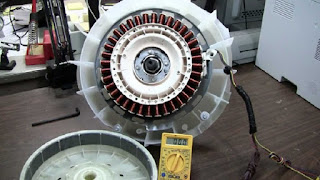
The alternator also helps fully charge the battery and provides the power needed when you start the engine to turn on the car. It basically converts mechanical energy from the rotating crankshaft of the engine into electrical energy. This is why a bad alternator will prevent you from being able to start your car, even if you have a new battery. When you look at alternators from the outside, they look like very simple devices with only a few parts in them. But they are critical in order for your car to function and operate.
One of the most common problems people have with their cars pertains to their alternator. These devices have a life of about 5 years at the most before you need to replace it in your car and get a new one. You will know when your alternator starts to go bad because the lights of your car will start dimming or flickering. There may even be a growling sound or strange smell that comes from underneath the hood of the car. And of course, the worst case scenario is if this happens while you are driving because it will cause your car to stall altogether. Then you will be forced to pull over to the side of the road and call someone for roadside assistance.
People often have a tough time diagnosing alternator problems because they will assume any problems with the lights in their car have to do with the battery. Now it is true that a weak battery could cause similar symptoms. But if you really want to know whether your electrical problems are because of a battery or an alternator, just have your battery charged at your local automotive shop and see if the car starts up afterward. You could also try replacing the battery in your car with a new battery. If you find that you still have trouble with your car’s electricity in both scenarios then it is clearly a problem with the alternator. At that point, you would need to have the alternator replaced.

The alternator also helps fully charge the battery and provides the power needed when you start the engine to turn on the car. It basically converts mechanical energy from the rotating crankshaft of the engine into electrical energy. This is why a bad alternator will prevent you from being able to start your car, even if you have a new battery. When you look at alternators from the outside, they look like very simple devices with only a few parts in them. But they are critical in order for your car to function and operate.
One of the most common problems people have with their cars pertains to their alternator. These devices have a life of about 5 years at the most before you need to replace it in your car and get a new one. You will know when your alternator starts to go bad because the lights of your car will start dimming or flickering. There may even be a growling sound or strange smell that comes from underneath the hood of the car. And of course, the worst case scenario is if this happens while you are driving because it will cause your car to stall altogether. Then you will be forced to pull over to the side of the road and call someone for roadside assistance.
People often have a tough time diagnosing alternator problems because they will assume any problems with the lights in their car have to do with the battery. Now it is true that a weak battery could cause similar symptoms. But if you really want to know whether your electrical problems are because of a battery or an alternator, just have your battery charged at your local automotive shop and see if the car starts up afterward. You could also try replacing the battery in your car with a new battery. If you find that you still have trouble with your car’s electricity in both scenarios then it is clearly a problem with the alternator. At that point, you would need to have the alternator replaced.
Tuesday, 7 March 2017
Top 5 Things That Will Drain Your Battery
It can be hard to figure out what causes a car battery to drain. A dead battery, old battery, or bad alternator can cause battery charging problems.

You're late for work and rush out to your car, only to find that it won't start. The headlights are dim and the engine simply refuses to turn over. You realize that your battery is dead. But how did this happen? There are five main causes of car battery drain or failure.
Human error
You’ve probably done this at least once in your life – you come home from work, tired and not really thinking, and left the headlights on or didn't completely close the trunk. Overnight the battery drains, and in the morning your car won’t start. Many new cars alert you if you’ve left your lights on, but may not have alerts for other components.
Parasitic drain
Parasitic drain is due to components in your vehicle continuing to run after the key is turned off. Some parasitic drain is normal – your battery delivers enough energy to keep things, like your clock, radio presets, and security alarm operational at all times. However, if there's an electrical problem, parasitic drain can exceed what's normal and deplete the battery.
Bad charging
If your charging system isn’t working properly, your car battery can drain even while you’re driving. Many cars power their lights, radio, and other systems from the alternator, which can make the battery drain worse if there's a charging problem. Then you’ll be stranded at roadside with a stalled car that needs a boost. And even then, bad charging will drain your car’s battery. A professional mechanic will be able to diagnose what's causing a charging problem.
Defective alternator diode
A car alternator recharges the battery and powers certain electrical systems. If your alternator has a bad diode, your battery can drain. The bad diode can cause the circuit to charge even when the engine is shut off, and you end up in the morning with a car that won’t start.
Old battery
If your battery is old, it might not hold a full charge. If your car consistently won't start, it’s possible that the battery is worn out. You should generally replace your car battery every 4-5 years. If your car isn’t starting consistently, and your battery is old, battery replacement should be the first thing you consider.
Having a battery that won't hold a charge is frustrating, and figuring out what's causing the problem can be tricky. Assuming that the cause of the battery drain is not human error, you will need the assistance of a qualified mechanic who can diagnose your car's electrical problems and determine if it is the battery or something else in the electrical system.

You're late for work and rush out to your car, only to find that it won't start. The headlights are dim and the engine simply refuses to turn over. You realize that your battery is dead. But how did this happen? There are five main causes of car battery drain or failure.
Human error
You’ve probably done this at least once in your life – you come home from work, tired and not really thinking, and left the headlights on or didn't completely close the trunk. Overnight the battery drains, and in the morning your car won’t start. Many new cars alert you if you’ve left your lights on, but may not have alerts for other components.
Parasitic drain
Parasitic drain is due to components in your vehicle continuing to run after the key is turned off. Some parasitic drain is normal – your battery delivers enough energy to keep things, like your clock, radio presets, and security alarm operational at all times. However, if there's an electrical problem, parasitic drain can exceed what's normal and deplete the battery.
Bad charging
If your charging system isn’t working properly, your car battery can drain even while you’re driving. Many cars power their lights, radio, and other systems from the alternator, which can make the battery drain worse if there's a charging problem. Then you’ll be stranded at roadside with a stalled car that needs a boost. And even then, bad charging will drain your car’s battery. A professional mechanic will be able to diagnose what's causing a charging problem.
Defective alternator diode
A car alternator recharges the battery and powers certain electrical systems. If your alternator has a bad diode, your battery can drain. The bad diode can cause the circuit to charge even when the engine is shut off, and you end up in the morning with a car that won’t start.
Old battery
If your battery is old, it might not hold a full charge. If your car consistently won't start, it’s possible that the battery is worn out. You should generally replace your car battery every 4-5 years. If your car isn’t starting consistently, and your battery is old, battery replacement should be the first thing you consider.
Having a battery that won't hold a charge is frustrating, and figuring out what's causing the problem can be tricky. Assuming that the cause of the battery drain is not human error, you will need the assistance of a qualified mechanic who can diagnose your car's electrical problems and determine if it is the battery or something else in the electrical system.
Tuesday, 7 February 2017
Symptoms of a Bad or Failing Alternator
Common signs include having to jump start the car frequently, dim lights when operating the vehicle, or the Battery Light coming on.
 The electrical charging system is one of the most important systems on any vehicle. The charging system is made up of several components, including the alternator and battery, that work together to supply all of the vehicle’s electrical needs. The alternator is what specifically generates the amperage and electricity required to meet the vehicle’s electrical needs, including keeping the battery charged.
Because the alternator plays such a vital role in keeping all of the vehicle’s electrical components powered, any problems with the alternator can quickly develop into problems with another system or component on the vehicle. Usually, a defective or failing alternator will produce a few symptoms that can alert the driver of a potential issue, allowing time for the driver to service the vehicle before a bigger problem occurs.
1. Having to jump start the vehicle on a regular basis
One of the first symptoms of a bad or failing alternator is the need to jump start the vehicle on a regular basis. It is the job of the battery to provide the power to crank the engine and start the vehicle, however, it is the job of the alternator to make sure that the battery stays charged. If the alternator is beginning to have problems or has failed, it will not be able to meet the vehicle’s electrical needs, including keeping the battery fully charged. A low or uncharged battery will not be able to keep up with the load required to start an engine multiple times, and will result in a dead battery. Continuously having to jump start the vehicle may be a sign that the alternator may not be charging the battery and is therefore unable to successfully start a vehicle.
2. Dim lights
Another symptom of a potential problem with the alternator is dim or flickering lights. If you notice any sort of flickering or dimming of the lights when operating the vehicle, it may be a sign that the alternator is not generating enough power to keep up with the vehicle’s electrical needs. The dimming or flickering may coincide with certain actions when operating the vehicle, such as dimming when pressing on the gas pedal, turning up the volume on the stereo, or turning on another light. This symptom may be indicative of an alternator that is unable to keep up with the needs of the vehicle’s electrical system while it is running, and when additional loads are placed on it.
3. Battery Light comes on
One of the most common symptoms of a problem with the alternator is an illuminated Battery Light. The Battery Light will usually come on when the computer detects that the system voltage has fallen below a certain requirement. This usually means that the alternator, or perhaps one of its internal components, has failed and it is no longer able to keep up with the vehicle’s electrical requirements, and it has been detected by the computer. An illuminated Battery Light also indicates that the vehicle is now running on limited battery life. Depending on the condition of the battery, and how long the Battery Light has been on, the vehicle should be able to run for a short amount of time before the battery finally dies. At that point, the vehicle will shut off and service will be required.
The alternator is among a vehicle’s most important components, as it essentially serves to provide the electrical supply for the entire vehicle. Any problems with it can quickly translate to problems with starting and running the vehicle, which opens up the possibility of being stranded on the road.
If you suspect that your vehicle may be having a problem with the alternator, or it is displaying any of the symptoms above, [have the battery and alternator carefully inspected] by a professional technician, such as one from AutoFactorNG. WE will be able to determine if an alternator replacement is necessary, or if another issue needs to be addressed.

Because the alternator plays such a vital role in keeping all of the vehicle’s electrical components powered, any problems with the alternator can quickly develop into problems with another system or component on the vehicle. Usually, a defective or failing alternator will produce a few symptoms that can alert the driver of a potential issue, allowing time for the driver to service the vehicle before a bigger problem occurs.
1. Having to jump start the vehicle on a regular basis
One of the first symptoms of a bad or failing alternator is the need to jump start the vehicle on a regular basis. It is the job of the battery to provide the power to crank the engine and start the vehicle, however, it is the job of the alternator to make sure that the battery stays charged. If the alternator is beginning to have problems or has failed, it will not be able to meet the vehicle’s electrical needs, including keeping the battery fully charged. A low or uncharged battery will not be able to keep up with the load required to start an engine multiple times, and will result in a dead battery. Continuously having to jump start the vehicle may be a sign that the alternator may not be charging the battery and is therefore unable to successfully start a vehicle.
2. Dim lights
Another symptom of a potential problem with the alternator is dim or flickering lights. If you notice any sort of flickering or dimming of the lights when operating the vehicle, it may be a sign that the alternator is not generating enough power to keep up with the vehicle’s electrical needs. The dimming or flickering may coincide with certain actions when operating the vehicle, such as dimming when pressing on the gas pedal, turning up the volume on the stereo, or turning on another light. This symptom may be indicative of an alternator that is unable to keep up with the needs of the vehicle’s electrical system while it is running, and when additional loads are placed on it.
3. Battery Light comes on
One of the most common symptoms of a problem with the alternator is an illuminated Battery Light. The Battery Light will usually come on when the computer detects that the system voltage has fallen below a certain requirement. This usually means that the alternator, or perhaps one of its internal components, has failed and it is no longer able to keep up with the vehicle’s electrical requirements, and it has been detected by the computer. An illuminated Battery Light also indicates that the vehicle is now running on limited battery life. Depending on the condition of the battery, and how long the Battery Light has been on, the vehicle should be able to run for a short amount of time before the battery finally dies. At that point, the vehicle will shut off and service will be required.
The alternator is among a vehicle’s most important components, as it essentially serves to provide the electrical supply for the entire vehicle. Any problems with it can quickly translate to problems with starting and running the vehicle, which opens up the possibility of being stranded on the road.
If you suspect that your vehicle may be having a problem with the alternator, or it is displaying any of the symptoms above, [have the battery and alternator carefully inspected] by a professional technician, such as one from AutoFactorNG. WE will be able to determine if an alternator replacement is necessary, or if another issue needs to be addressed.
Thursday, 1 December 2016
16% Discount off Items this December
As the year 2016 is winding down, we are giving out 16% Discounts off all Suspension parts (shock absorbers, stabilizer linkage, ball joint, tie rod etc), Brake Systems (Brake pad, brake disc, brake calipers, brake shoes etc), tyres and batteries.

This promotion is open to both new and existing customers. Santa came in early because we are a company that cares for all our customers and want 100% satisfaction for everyone. We know that many will need their vehicles in perfect condition for the holiday travel and outings.
We also offer car diagnosis services which will be performed by our well trained and experienced technicians.
AUTOFACTORNG 216 is committed to bridging the gap between our customers and quality assured auto- products and auto-repair services, with quality and customer satisfaction being our watchword. And as we continue to expand nationwide, our SCALE of services will upgrade in class, satisfactory and convenience.

This promotion is open to both new and existing customers. Santa came in early because we are a company that cares for all our customers and want 100% satisfaction for everyone. We know that many will need their vehicles in perfect condition for the holiday travel and outings.
We also offer car diagnosis services which will be performed by our well trained and experienced technicians.
AUTOFACTORNG 216 is committed to bridging the gap between our customers and quality assured auto- products and auto-repair services, with quality and customer satisfaction being our watchword. And as we continue to expand nationwide, our SCALE of services will upgrade in class, satisfactory and convenience.
Thursday, 24 November 2016
Symptoms of a Bad or Failing Battery
A vehicle's battery is one of the most important components to any vehicle. It is responsible for starting the engine, and without it, the vehicle cannot start. Throughout their service life batteries are subject to constant cycles of charging and discharging, as well as high heat conditions from the engine bay where they are most commonly installed. Since they serve the important purpose of getting the engine started, when they do fail, they can leave the vehicle stranded and cause a big inconvenience for the driver, so they should be replaced as soon as possible.

1. Rotten egg smell
One of the first symptoms of a problem with the battery is a rotten egg smell. Conventional acid lead automotive batteries are filled with a mixture of water and sulfuric acid. As the battery wears, some of the acid and water may evaporate which will disturb the mixture. This may cause the battery to overheat or boil, which will produce an unpleasant smell, and even smoking in more severe cases.
2. Slow cranking
One of the first signs of a problem with the battery is a slow cranking engine. If the battery is low, it may not have enough power to turn the engine as quickly as it normally would, and it will crank slowly as a result. Depending on the exact condition of the battery, the engine may crank slowly and still start, or it may not be able to crank fast enough to start at all. A jump start from another vehicle or battery will usually be enough to get the vehicle going for a battery that is cranking slowly.
3. Battery Light comes on
Another symptom of a potential problem with the battery is an illuminated Battery Light. An illuminated Battery Light is a symptom commonly associated with a defective alternator. However, a defective battery can also set it off. The battery not only serves as the power source to start the vehicle, but also as a stable source of power for the entire system. If the battery fails to receive or sustain a charge, even if the alternator is charging the battery, the system will not have a power source to help stabilize the system, and the Battery Light may be activated. The Battery Light will stay on until the battery eventually fails.
4. No power to vehicle electronics
Probably the most common symptom of a battery problem is no power going to the electronics. If a battery goes bad or becomes drained, it may not hold a charge and will not be able to provide power for any of the vehicle’s electronics. Upon entering the vehicle, you may notice that turning the key does not activate the electrical system, or that the lights and switches are not functioning. Usually, a battery drained to this extent will need to be charged or replaced.
The battery in a car serves a very important function, and without it, the vehicle will not be able to start. For this reason, if you have been experiencing slow cranking, or suspect that your battery may be having an issue, you can try checking the battery yourself or have the vehicle's battery diagnosed by a professional battery technician, such as one from AutoFactorNG. They will be able to replace your battery or address any other underlying issues to get your car back to its full function.
Batteries always have an indicator (sight glass) which is present at the top of the battery. Peering into a sight glass lets you know the specific-gravity rating of the acid.
Need Genuine Car Batteries? VISIT AutoFactorNG

1. Rotten egg smell
One of the first symptoms of a problem with the battery is a rotten egg smell. Conventional acid lead automotive batteries are filled with a mixture of water and sulfuric acid. As the battery wears, some of the acid and water may evaporate which will disturb the mixture. This may cause the battery to overheat or boil, which will produce an unpleasant smell, and even smoking in more severe cases.
2. Slow cranking
One of the first signs of a problem with the battery is a slow cranking engine. If the battery is low, it may not have enough power to turn the engine as quickly as it normally would, and it will crank slowly as a result. Depending on the exact condition of the battery, the engine may crank slowly and still start, or it may not be able to crank fast enough to start at all. A jump start from another vehicle or battery will usually be enough to get the vehicle going for a battery that is cranking slowly.
3. Battery Light comes on
Another symptom of a potential problem with the battery is an illuminated Battery Light. An illuminated Battery Light is a symptom commonly associated with a defective alternator. However, a defective battery can also set it off. The battery not only serves as the power source to start the vehicle, but also as a stable source of power for the entire system. If the battery fails to receive or sustain a charge, even if the alternator is charging the battery, the system will not have a power source to help stabilize the system, and the Battery Light may be activated. The Battery Light will stay on until the battery eventually fails.
4. No power to vehicle electronics
Probably the most common symptom of a battery problem is no power going to the electronics. If a battery goes bad or becomes drained, it may not hold a charge and will not be able to provide power for any of the vehicle’s electronics. Upon entering the vehicle, you may notice that turning the key does not activate the electrical system, or that the lights and switches are not functioning. Usually, a battery drained to this extent will need to be charged or replaced.
The battery in a car serves a very important function, and without it, the vehicle will not be able to start. For this reason, if you have been experiencing slow cranking, or suspect that your battery may be having an issue, you can try checking the battery yourself or have the vehicle's battery diagnosed by a professional battery technician, such as one from AutoFactorNG. They will be able to replace your battery or address any other underlying issues to get your car back to its full function.
Batteries always have an indicator (sight glass) which is present at the top of the battery. Peering into a sight glass lets you know the specific-gravity rating of the acid.
- If there is a green dot inside a black border, the battery is probably not to blame for the engine not starting.
- If only black appears in the sight glass, the battery could be causing your starting problem. Charge the
- If the sight glass of a maintenance-free battery is clear or light yellow, replace the battery. Do not charge it.
Need Genuine Car Batteries? VISIT AutoFactorNG
Subscribe to:
Posts (Atom)