Showing posts with label mechanics. Show all posts

Tuesday, 5 September 2017

Eight Ways Real Men Take Care Of Their Cars

The holiday is over!

Only the best loved cars are the most excited today while others are waiting on the calendar checking for another long holiday. This means how well you take care of your car, so it responds to you.


Good masters are known from the appearance of their servants. From appearance to quality of work done to agility and instant bounce. Can you ‘categorically’ be called a good master, it does depend on these eight things.


Here are ways to take care of your car like a real adult giving every bit of TLC (tender, love and care);


1. At least once every month, you thoroughly give your car a good clean up


You don’t need to be told to wash your car but giving is a total make over once a month both inside and outside would do you a lots of good.


2. Change your oil regularly and only use reliable oil
If your car doesn't have fresh oil, dirt will build up and eventually kill your engine, which will cost thousands of dollars and your happiness.


So what’s the definition of regular, a school of thought suggest that you change your oil every 5,000 to 7,500 miles. And remember to use quality oil, preferably not dispensed oil you don’t know the brand nor are you sure of. A healthy car gives you less headache so don’t joke with this.


3. Check your tyre pressure monthly
Incorrect tyre pressure can lead to a ton of problems, including poor braking, instability, less gas mileage, and of course, a flat tire, so check your tyre pressure with a gauge. Also, rotate your tyres often to make sure that they wear evenly, making sure you get the most before replacing them.


4. Get your brake pads replaced regularly
Neglecting your brake pads will eventually lead to your brake rotors failing and you don’t want to deal with this. Before you feel this not your portion, the experts’ view is that you get your brake pads replaced every 25,000 miles.


5. Maintain your car's interior to keep its resale value high.
This doesn’t depend on how long you’ve been riding your car but rather on how well you’ve been. A dirty, unkept interior can lead to you losing money when you try to resell your car. There are car cleaning products that reinvigorates the outlook of your car all the time.


6. Change your air filters regularly
Your car isn't going to explode from a dirty air filter, but it's possible that leaving one can cause your engine to fail and damage your combustion chamber.


7. Prevent damage to your car by parking in the shade and using a window shade.
The same way you cannot roast yourself under a scorching sun so should your car be parked to experience the torturing heat? In addition to causing interior damage, UV rays from the sun can melt plastics, crack your dashboard, and cause fading on your paint job. It also isn't the most pleasant thing to sit in a scorching hot car, so for the sake of you and your butt, find some shade.


8. Ask an expert about car trouble when you're not sure yourself.


Every Wednesday is an opportunity for you to ask questions about your car and everything you need to know about automobiles.


Cars are just as complex as they are wonderful, and you shouldn't ever force your way into fixing a problem if you don't know exactly what's wrong. There are different brands of cars and different models, it’s an expert that can help guide you accurately.


If you need the right quality spare parts and accessories for your car, get it on www.autofactorng.com


Thank you for reading.

We hope you have a stress-less week!

Tuesday, 7 February 2017

Symptoms of a Bad or Failing Alternator

Common signs include having to jump start the car frequently, dim lights when operating the vehicle, or the Battery Light coming on.

The electrical charging system is one of the most important systems on any vehicle. The charging system is made up of several components, including the alternator and battery, that work together to supply all of the vehicle’s electrical needs. The alternator is what specifically generates the amperage and electricity required to meet the vehicle’s electrical needs, including keeping the battery charged.

Because the alternator plays such a vital role in keeping all of the vehicle’s electrical components powered, any problems with the alternator can quickly develop into problems with another system or component on the vehicle. Usually, a defective or failing alternator will produce a few symptoms that can alert the driver of a potential issue, allowing time for the driver to service the vehicle before a bigger problem occurs.

1. Having to jump start the vehicle on a regular basis

One of the first symptoms of a bad or failing alternator is the need to jump start the vehicle on a regular basis. It is the job of the battery to provide the power to crank the engine and start the vehicle, however, it is the job of the alternator to make sure that the battery stays charged. If the alternator is beginning to have problems or has failed, it will not be able to meet the vehicle’s electrical needs, including keeping the battery fully charged. A low or uncharged battery will not be able to keep up with the load required to start an engine multiple times, and will result in a dead battery. Continuously having to jump start the vehicle may be a sign that the alternator may not be charging the battery and is therefore unable to successfully start a vehicle.

2. Dim lights

Another symptom of a potential problem with the alternator is dim or flickering lights. If you notice any sort of flickering or dimming of the lights when operating the vehicle, it may be a sign that the alternator is not generating enough power to keep up with the vehicle’s electrical needs. The dimming or flickering may coincide with certain actions when operating the vehicle, such as dimming when pressing on the gas pedal, turning up the volume on the stereo, or turning on another light. This symptom may be indicative of an alternator that is unable to keep up with the needs of the vehicle’s electrical system while it is running, and when additional loads are placed on it.

3. Battery Light comes on

One of the most common symptoms of a problem with the alternator is an illuminated Battery Light. The Battery Light will usually come on when the computer detects that the system voltage has fallen below a certain requirement. This usually means that the alternator, or perhaps one of its internal components, has failed and it is no longer able to keep up with the vehicle’s electrical requirements, and it has been detected by the computer. An illuminated Battery Light also indicates that the vehicle is now running on limited battery life. Depending on the condition of the battery, and how long the Battery Light has been on, the vehicle should be able to run for a short amount of time before the battery finally dies. At that point, the vehicle will shut off and service will be required.

The alternator is among a vehicle’s most important components, as it essentially serves to provide the electrical supply for the entire vehicle. Any problems with it can quickly translate to problems with starting and running the vehicle, which opens up the possibility of being stranded on the road.

If you suspect that your vehicle may be having a problem with the alternator, or it is displaying any of the symptoms above, [have the battery and alternator carefully inspected] by a professional technician, such as one from AutoFactorNG. WE will be able to determine if an alternator replacement is necessary, or if another issue needs to be addressed.

Thursday, 2 February 2017

Symptoms of a Bad or Failing Steering Rack/Gearbox

Common signs include a very tight steering wheel, leaking power steering fluid, grinding noises when steering, and a burning oil smell.


The steering system utilized in today's modern cars is a rack and pinion steering system. The rack and pinion is comprised of multiple components including the universal joints, main and intermediate shafts, and at the center is the steering rack or gearbox. It's this central unit that receives input from the driver, by way of the steering wheel and steering column and sends a mechanical signal to tie rods and steering shafts to complete smooth and efficient left and right turns. However, from time to time, the steering rack or gearbox will wear out and quick and efficient service to repair this important component can mean the difference between a minor inconvenience and a major mechanical overhaul.

The steering rack is essentially the heart of the steering system. When it wears out or breaks entirely the ability to steer a vehicle is compromised. When this happens while you are driving, it can be extremely dangerous. It's for these reasons and many more that being alert to some of the warning signs of a bad or failing steering rack or gearbox can save you money, time and reduce the potential of an accident.

Here are a few of the symptoms or warning signs that will alert you to a potential problem brewing with your steering rack.

1. Very tight steering wheel

Today's rack and pinion steering systems are supported by a power steering control that utilizes hydraulic pressure to allow easy steering and quick steering wheel handling. When the steering wheel feels tight or is harder to turn than usual, it's typically due to the steering rack or gearbox building up more heat or a loss of hydraulic pressure from the power steering control. Either way, it's a problem that won't go away and should be inspected as soon as possible by an ASE certified mechanic. Sometimes it's just low power steering fluid or a minor adjustment that can solve this problem and extend the lifespan of your steering rack.

2. Leaking power steering fluid

As noted above, sometimes tight steering is indicated by low power steering fluid. However, since the steering box is hydraulically powered, the fluid levels won't decrease unless there is a leak somewhere in the system. Once you start to leak power steering fluid it means there is a loose fitting, broken gasket or other mechanical issue causing the leak that must be fixed as soon as possible. Failure to do so will result in the steering rack or gearbox to develop excess heat, potentially breaking gears and other components that could lead to an accident.

Leaking steering fluid can be distinguished from other fluids by its smell (typically a burning oil smell). It's also typically red or pink in color and will be dripping from the back part of your motor. If you discover this type of fluid under your car, contact a mechanic as soon as possible to inspect the leak and repair it before the leak causes additional damage

3. Grinding noise when steering

A bad or failing gearbox is typically caused by lack of proper lubrication and service. The excess heat causes metal-to-metal contact and thus creates a loud, grinding noise when you turn left or right. You can really notice this sound especially when you turn and hit a bump at the same time; specifically when you drive into a driveway. If you notice this grinding sound when you steer left or right, contact a mechanic so they can quickly diagnose and replace the steering gearbox if needed.

4. Burning oil smell

A less common warning sign of a damaged steering rack or gearbox is the smell of burning oil. Since power steering fluid itself smells like burnt oil, the strong aroma of burnt oil will be present when the steering gearbox is hot. If this occurs, stop your vehicle immediately, find a safe place to park your vehicle and call a mechanic as soon as possible. Continued driving when a steering gearbox is overheating may result in fire and catastrophic damage.

The steering rack or gearbox is an essential component vital to the smooth steering operation of any vehicle utilizing a rack and pinion steering system. If you notice any of the above symptoms or warning signs, contact AUTOFACTORNG as quickly as possible so they can diagnose and repair any damage done.

Thursday, 26 January 2017

Symptoms of a Bad or Failing Catalytic Converter

Common signs include reduced engine performance, rattling sounds, and the Check Engine Light turning on.

A catalytic converter is an exhaust emissions component that works to reduce vehicle emissions and pollution. It is a metal canister that is installed in the exhaust system. It is filled with a chemical catalyst, usually a platinum and palladium mixture, and helps to convert the vehicle’s emissions into non-harmful gasses. Usually a faulty catalytic converter will produce a few symptoms that can alert the driver that service may be required.


1. Reduced engine performance

One of the first symptoms commonly associated with a bad or failing catalytic converter is a reduction in engine performance. The catalytic converter is built into the vehicle’s exhaust system, and as a result, can affect the performance of the engine if it develops any problems. A clogged converter will restrict exhaust flow, while a cracked one will leak. Both can negatively affect engine performance and can cause a reduction in power and acceleration as well as fuel economy.

2. Rattling noise

Rattling noises are another symptom of a bad or failing catalytic converter. If a catalytic converter becomes old or damaged internally from excessively rich fuel mixtures, the catalyst coated honeycombs on the inside of the converter can collapse or break apart causing a rattle. The rattle may be more obvious when starting the vehicle, and will get worse over time.

3. Check Engine Light comes on

A bad or failing catalytic converter can also cause an illuminated Check Engine Light. The oxygen and air fuel ratio sensors that modern vehicles are designed with monitor the efficiency of the catalytic converter by monitoring the gas levels in the exhaust. If the computer detects that the catalytic converter is not operating correctly, or not catalyzing the exhaust gases properly, it will set off the Check Engine Light to alert the driver that there is a problem. A Check Engine Light can also be activated by a variety of other problems, so it is recommended to have the vehicle scanned for trouble codes to be certain of the issue.

The catalytic converter is one of the most important emissions components found on modern vehicles. Without it the vehicle may produce excessive emissions and have trouble passing the emissions tests that are required in some states. If you suspect that your catalytic converter may be having a problem, have the vehicle inspected by a professional technician, such as one from AUTOFACTORNG to determine if the car will need a catalytic converter replacement.

Tuesday, 24 January 2017

Symptoms of a Bad or Failing Tie Rod End

Common signs include a front end alignment that is off, a shaky or loose steering wheel, and uneven or excessive tire wear.


The job of keeping your wheels and tires driving straight down the road is completed by several components in the suspension system. Whether you have a truck, SUV, or commuter car, they all have tie rod ends that attach to the wheel housing and ensure your vehicle has a smooth and efficient ride every day. However, this component is subject to extreme wear and tear due to the fact that it's used every time the vehicle is in motion. When it wear out or fails, you'll notice a few warning signs that should be inspected by a certified mechanic and replaced if needed.

As the name implies, the tie rod end is attached at the tip of the tie rod and connects the wheels of the vehicle with the steering and suspension components that permit the vehicle to steer. When the tie rod end begins to wear out, it's usually due to impact, constant use on bumpy roads or simple age. Frequently, the part that wears out in the tie rod end is actually the bushing. However, it's advised that you replace the tie rod end completely as metal fatigue can also cause the part to fail. If you have the tie rod ends replaced, it's critical that you remind the mechanic to complete a front end alignment, which will set your wheels to point straight.

Like any other mechanical part, a worn out tie rod end will display a few warning signs or indicators that the part is failing and needs to be replaced. Listed below are a few of these symptoms. If you notice any of these, please contact a mechanic as soon as possible so they may properly diagnose the problem and take corrective action to replace what might be broken.

Tuesday, 17 January 2017

Symptoms of Bad or Failing Stabilizer Linkage

Common signs include clunking or rattling noises from the tire area, poor handling, and loose steering wheel.


The responsibility of keeping your car stable and handling smooth under multiple driving conditions falls on the stabilizer linkage, or sway bar as it's often referred. This mechanical unit is attached to the body of the vehicle by way of a body mount with stabilizer bushings and the stabilizer linkage – which attach to the lower control arm of the front suspension and have bushings along the link for protection and to ensure a smooth ride. When the stabilizer linkages are starting to wear out, the symptoms can range from barely noticeable to significant, and if you don't have your stabilizer linkage replaced, can result in catastrophic damage to the front end of your vehicle and potentially an accident.

Noted below are a few warning signs that will let you know when your stabilizer linkage are starting to wear out and need to be replaced by an certified mechanic.

The stabilizer linkage attach to the lower control arm of the front end of most domestic and foreign cars and trucks sold in the United States. From time to time, the rear end will also have stabilizer linkage. However, the ones that cause the most damage are in the front and located right behind your left and right front tires. If you're driving down the road and you start to hear a clunking, rattling or metal-on-metal scratching noise, it is possibly the stabilizer linkage causing the sound.

The stabilizer linkage are supposed to fit incredibly snug, without any play or movement except between rubber bushings. When the links are worn out, the stabilizer linkage will begin to make these sounds especially when you're driving around corners or over a speed bump. When you hear these types of noises coming from the front end of your car, truck or SUV, make sure to contact a certified mechanic and have them inspect and replace stabilizer linkage and bushings. This job requires that both the driver and passenger side be completed at the same time.

Poor handling or loose steering wheel

Since the stabilizer linkage are attached to the lower control arm, steering and handling are also negatively impacted when they begin to wear out. Most of the time, the actual culprit are the bushings that are designed to take the majority of the impact and help to protect the metal parts from wearing out. However, the bushings also can cause extensive corrosion, especially if oil, grease or other debris becomes embedded on the stabilizer bar. The direct result of all of these issues is that the car or truck simply won't handle the same way. The steering wheel will appear to be "loose", and the body will sway from left to right more due to the fact that the stabilizer bar links and bushings are wearing out.

A great opportunity for car owners to be proactive about keeping their stabilizer linkage and front suspension protected from significant damage is to ask a certified mechanic to inspect them during a front brake pad replacement, tire replacement, or other front end work. When they look under the front end, they will also inspect the tie rods, shocks and struts, CV joints and boots along with the front stabilizer linkages, bushings and other front end components. Believe it or not, it's actually a good idea to have the front stabilizer linkage links and full bushings all replaced at the same time that other front end work is being completed.

This allows the mechanic to then complete an accurate front end suspension alignment; which properly sets the suspension straight, so that the car drives smoothly, wears your tires properly, and the car doesn't pull to the right or left when you are driving straight.

As with any front end suspension work, it's always best to have a professional and ASE certified mechanic complete your stabilizer linkage replacement. If you notice any of the warning signs or symptoms above, contact AutoFactorNG so they can inspect your stabilizer linkage and supporting equipment.

Wednesday, 21 December 2016

How to Diagnose a Shaking Steering Wheel

An issue with your car's suspension or drive system will cause a shaking steering wheel. A tire and wheel out of balance can cause a vibration.

During normal operation, your car should drive smoothly and consistently across the streets you navigate. As drivers, we barely feel bumps, cracks or imperfections in the roads due to the advanced technology that comprises the suspension and drive systems on modern vehicles. However, there are times when we feel a vibration in the steering wheel that shows up on certain roads, at a particular speed or anytime the vehicle moves forward.


Because there are multiple components on today's vehicles that can cause shaking in the steering wheel, trying to find the exact source can be frustrating and time-consuming, even for the most experienced mechanics. Add the fact that multiple front end components could be worn out or out of alignment at the same time, and you'll understand why the process of discovering the exact cause of steering wheel vibration can be a time consuming and extremely detailed process.

Part 1 of 3: Diagnosing tire and wheel balance issues

The most common cause of steering wheel vibration is due to tires and wheels that fall out of balance. Tire/wheel balance is the process of adding weight to the wheel after a new tire has been installed. Every tire that comes off the factory floor has some imperfections in the construction or the weight distribution, and requires weights to balance it.

The best way to determine if the steering wheel shaking is caused by your front tires and wheels being out of balance is to have a professional tire technician complete a balance check.

Typically the warning signs that lead to this issue include:


  • The steering wheel vibrates when the vehicle reaches highway speeds (55 mph and above)
  • The shaking progressively gets worse the faster the vehicle drives
  • The shaking goes away when you decelerate below highway speeds

You can also perform some inspections yourself to determine whether or not your tire/wheel balance is causing the steering wheel vibration.

Check the sides of your tires for marks. The most common cause of tires and wheels falling out of balance is due to the tire striking a curb. If you see scuff marks on the side of your tire, it's a good indication that the tire and wheel are out of balance. Hitting an object will shift the weight balance of the tire to where the tire struck the object.


Another simple check is to inspect the side of the wheel where the weights were initially installed. If you see a clean spot in the shape of a wheel weight on the side of your wheel, it's likely that the weight fell off. This check is hard to complete on the inside of the wheel, but if you can, turn the wheel to the left and inspect the inside as well.

Part 2 of 3: Diagnosing wheel bearing issues

The wheel bearings secure the wheel hub to the vehicle’s suspension. Inside the wheel bearing housing is lubricant designed to keep the bearings cool and reduce the buildup of heat as the wheel spins. Over time, the wheel bearings tend to lose lubricity, and if the bearings are not replaced in a timely manner, they can cause the wheel hub to loosen.

As the vehicle drives down the road, the loose wheel will vibrate, which may be felt in the steering wheel. If the wheel bearings are not replaced soon, they can break, causing the entire wheel/hub assembly to fall off the vehicle and create a dangerous driving situation.

There is a very simple test that any novice mechanic can perform to check whether or not the wheel bearings are causing the vibration. To perform this inspection, you'll need to follow these basic steps.

Step 1: Raise the front end of the vehicle on jack stands. Using a hydraulic lift or a jack and jack stands, raise the front end of the vehicle.

Make sure to jack the front wheel from the lower control arm or the side body mount.

Step 2: Check the tire/wheel for loose wheel bearings. As noted in the image above, the inspection for loose or worn out wheel bearings is rather simple to complete and is done by touch. Place both hands on the tire, preferably with one hand at 3 o’clock position and the other at 9 o’clock.

Push and pull the tire in and out with both hands. If you do this and hear a clunking sound, or the wheel moves freely while shaking the tire, it's a good indication that the wheel bearings are worn out and need to be replaced.

Step 3: Replace the wheel bearings or have a mechanic complete this task. If you have the right tools and experience, replacing the wheel bearings is a rather simple job to complete.

But if you don't, or simply do not feel comfortable completing this task, contact a mechanic who can replace your wheel bearings for you. This is a dangerous situation that you don't want to delay fixing.

Part 3 of 3: Inspecting suspension component issues

There are multiple components that comprise the modern front end suspension. Each of these parts are connected to providing steering input, power the front wheels and keep the front wheel in line so the vehicle will drive straight down the road.

Improper alignment of suspension parts can impact the stability of the vehicle, and can also cause shaking in the steering wheel. The shaking is typically caused by suspension parts that are worn out or loose, which causes the alignment issues.

In order to find out if suspension parts are worn out or the suspension alignment is faulty, you'll have to complete the following inspections:

Step 1: Check the tie rods for wear. The first items you want to inspect for wear and tear in regards to steering wheel vibration are the tie rods. Refer to your service manual for exact instructions and steps on how you should inspect them, as each vehicle's tie rod construction and location is unique.

Step 2: Check the bushings. A common cause of steering wheel vibration at lower speeds is when the bushings of the tie rods, spindles, or control arms are worn out.

First, jack up your vehicle's front end and place the front end on jack stands (make sure to put wheel chocks behind the rear wheels).

Using a flashlight, inspect the bushings for cuts, frays, pinching, signs of excess grease or the bushings being pushed out of the brackets. Try to move or wiggle the suspension part that is connected by the bushings. If the part moves, the bushings have failed and must be replaced.

Step 3: Check the shocks, struts and springs. Most vehicles have front struts or shock absorbers that are connected to the lower control arm and are a part of the suspension.

To check for wear and tear that could cause vibration in the steering wheel, complete the following inspections:


  • Look for signs of grease: When a shock or strut is leaking, you'll usually find grease along the strut or the shock mounts. This could mean that the shocks or struts are loose, causing the vibration.
  • Check the spring for damage: In some cases, the spring will become detached from the coil-over shock/strut. This can also cause vibration issues.
  • Check the shock mounts: If the mounts are loose, it will definitely cause the front end to rattle and steering wheel to vibrate. This is noticed immediately as soon as the vehicle moves forward or backward.

If you've completed all of these checks and still can't find the source of the problem, or need an extra set of professional hands to help fix the problem, contact AUTOFACTORNG to find a local ASE certified mechanic who will be happy to assist you with the steering wheel vibration issue.


Thursday, 8 December 2016

Signs Your Car Needs an Oil Change

Oil changes keep your car engine running smoothly. Rough idling, slow acceleration, and engine noises mean you need to replace your car oil.


Is your vehicle feeling sluggish? Does your engine sound noisy? Is your oil pressure low and or your oil light on? Chances are, you need an oil change but even if you’re not experiencing some of the more obvious symptoms of dirty oil, your car could still be in need.


Here are the top signs your car needs an oil change:

The car makes a ticking noise when started

As your engine operates, it continuously pumps oil throughout the crankcase and cylinder heads and, after a while, that once golden fresh oil becomes dirty and contaminated from heat and wear and tear. Dirty oil tends to be sludgier and thus more difficult to move. This means there’s a good chance you may experience some valve train noise in the form of ticking at start up. This is because the dirty oil takes longer to circulate through the engine to lubricate the moving valve train.

The car idle is rough

Another side effect of dirty oil can be a rough idle that feels like the engine is shaking the vehicle more than normal. The reason for this is there’s an increase in friction between the pistons, rings, and bearings.

The car has sluggish acceleration

A well-lubricated engine is a smooth operator, so when the oil inside becomes old and dirty, it can’t lubricate the moving parts as well and as a result, it will not be able to perform as smoothly as normal. This means acceleration can be sluggish and the engine will feel down on power.

The car engine makes a knocking noise

If an engine’s knocking, it may be a result of bad oil, which if ignored for too long, can result in worn out rod bearings. A knocking noise will sound like a rock tumbler in the deep depths of the engine and it will typically shake the vehicle at idle, and get louder as engine speeds increase.

What to do when the oil service light comes on

If your oil light comes on, you won’t want to ignore this as it typically means your oil pressure has dropped far too low for the engine to operate safely. Here’s how to react when your oil light is on, but the first move is to plan for an immediate oil change.

If you'd like a mechanic to change your car oil for you, AUTOFACTORNG will come to you to keep your engine lubricated and happy.

Thursday, 1 December 2016

16% Discount off Items this December

As the year 2016 is winding down, we are giving out 16% Discounts off all Suspension parts (shock absorbers, stabilizer linkage, ball joint, tie rod etc), Brake Systems (Brake pad, brake disc, brake calipers, brake shoes etc), tyres and batteries.


This promotion is open to both new and existing customers. Santa came in early because we are a company that cares for all our customers and want 100% satisfaction for everyone. We know that many will need their vehicles in perfect condition for the holiday travel and outings.

We also offer car diagnosis services which will be performed by our well trained and experienced technicians.

AUTOFACTORNG 216  is committed to bridging the gap between our customers and quality assured auto- products and auto-repair services, with quality and customer satisfaction being our watchword. And as we continue to expand nationwide, our SCALE of services will upgrade in class, satisfactory and convenience.

Thursday, 17 November 2016

Symptoms of Bad or Failing Brake Pads

Brakes are the component in the braking system that provide the friction to slow your vehicle. They are located in the brake calipers and function by pressing against the disc brake rotors with friction material to slow and stop the wheels.


As they are a contact wear item, the brake pads will eventually wear out over time and need to replaced. Usually bad or failing brake pads will produce a few symptoms that will alert the driver that the vehicle may require service.

1. Noisy brakes

The most common symptom of bad or failing brake pads are noisy brakes. Brake pads can accumulate dust as they wear, which if allowed to build excessively, may cause vibration and squealing when the pedal is applied or let off. Squealing brake pads can also be caused by excessively worn pads that have worn down to the point where the wear sensor has come into contact with the rotor. Severely worn brake pads, ones that have worn all the way to the brake pad backing plate, will produce a scraping sound as a result of the metal-on-metal contact between the brake pad backing plate and the rotor. Depending on the extent of the wear, the scraping may be audible when the vehicle is moving forward or when the pedal is depressed.

2. Pulsating pedal

Another symptom of bad or failing brake pads is a pulsating brake pedal. Severely or abnormally worn pads can cause the pedal to pulsate when the brakes are applied. A pulsating pedal may also be indicative of a potential problem with the rotor as well, as the pulsation felt in the pedal is a result of the contact between the rotor and brake pad.

3. Poor brake response

Bad or failing brake pads can also cause poor brake response. If the brake pads have been excessively overheated or severely worn, their capacity to slow the vehicle may be hindered as a result. Reduced brake response will take away from the overall handling and safety characteristics of the vehicle, especially during heavy braking situations where the force and heat generated by braking is considerably higher.

Because the brake pads are essentially the direct component that actually slows the vehicle, they are very important to the overall safety of the vehicle. If you suspect that your brake pads may be worn, or are making noise, have the vehicle’s brake system inspected by a professional technician, such as one from AutoFactorNG. If necessary, they will be able to replace the brake pads for you.

Tuesday, 15 November 2016

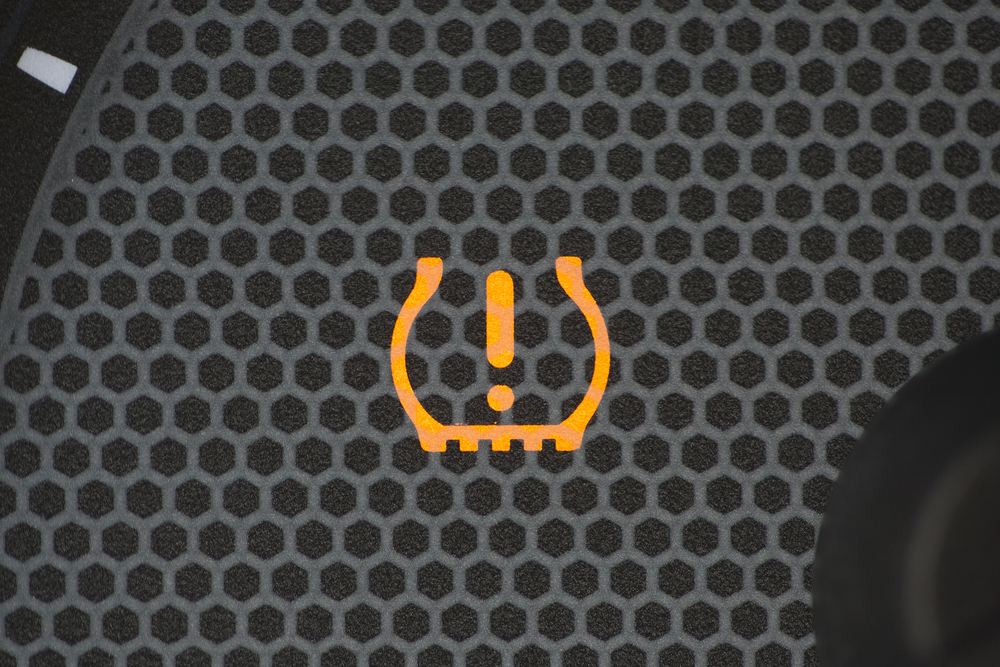
Is it Safe to Drive With the TPMS Light On?

The Tire Pressure Monitoring System (TPMS) alerts you when the tire pressure is too low. If the tire pressure is too low, it can cause unsafe driving conditions. Low tire pressure can also cause the tires to wear prematurely, and lead to tire failure. If the tire fails, this could lead to a blowout causing you to potentially lose control of the vehicle.


When the TPMS Light is on, it is important to take the following precautions:

As soon as the TPMS Light comes on, check the tire pressure in all four of your tires. If one of the tires has low air, add air until the pressure reaches the manufacturer’s specifications, which can be found on the inside of the driver's side door panel. In addition, the TPMS Light may come on if the tire pressure is too high. If this is the case, check the pressure of all four tires and take air out as needed.

If the TPMS Light comes on while you are driving, find the nearest gas station and check the pressure of the tires. Driving too long on underinflated tires can cause the tires undue wear, reduce gas mileage, and present safety hazards.

Sometimes the TPMS Light goes on and off, which can be due to fluctuating temperatures. If the pressure drops overnight, then increases during the day, the light may turn off once the vehicle warms up or once the temperature rises during the day. If the light comes back on once the temperatures cools down, you will know the weather is causing the pressure in the tires to fluctuate. It is a good idea to check the tires and add or take away any air as needed.

If the TPMS Light flashes for 1 to 1.5 minutes after you start your car, then remains on, this means the system is not functioning correctly. A mechanic should look at your vehicle as soon as possible. If you do need to drive, be careful as the TPMS system will no longer alert you of low tire pressure.

Driving with the TPMS Light on is not a good idea as it means one of your tires is underinflated. This can cause undue wear on the tire and potentially lead to a tire failure. Be sure to refer to your owner’s manual for specific instructions for monitoring your TPMS system, as manufacturers may set their TPMS lights to trigger differently.

Tuesday, 8 November 2016

Symptoms of a Bad or Failing Fan Belt Adjuster (Drive Belt Tensioner)

Common signs include grinding or squeaking noises coming from the belt, unusual belt wear, and belt-driven accessories like the alternator failing.

A Fan Belt Adjuster, also referred to as drive belt tensioner is a pulley mounted on a spring mechanism or adjustable pivot point that is used to keep tension on the engine belts. Spring tensioners are designed to tension automatically while the pivot design types can be adjusted manually. Both are used to keep tension on the engine serpentine belts so that they can drive the various engine accessories.


When the adjuster has an issue, it can affect the how the belts drive the pulleys which can affect the performance and functionality of the vehicle. Usually a bad or failing adjuster will produce a few symptoms that can alert the driver of a potential problem that should be serviced.

1. Grinding or squeaking noise from the belts or tensioner

The most common symptom of a bad or failing fan belt adjuster is noise from the belts or tensioner. If the tensioner is loose the belts may squeak or squeal, especially when the engine is first started. It is also possible for the tensioner pulley or bearing to wear out, in which case the vehicle will produce a grinding noise from the pulley.

2. Unusual belt wear

Another symptom of a potential problem with the fan belt adjuster is unusual belt wear. If the fan belt adjuster pulley has any sort of issue it can cause unusual and accelerated wear on the belt. A bad pulley can cause fraying on the edges of the belt, and in severe cases can even cause it to break.

3. Belt-driven accessories fail

Another symptom of bad or failing fan belt adjuster is failure of the belt driven accessories. Many of the engine’s accessories, such as the alternator, water pump, and AC compressor, can be belt driven. A seized or loose fan belt adjuster can cause the belt to snap, which will disables those accessories and can cause problems such as overheating, a dead electrical system and battery, or a disabled AC system. Usually a belt that has failed because of the tensioner will have to be replaced, along with the tensioner, in order to restore full functionality to the vehicle.

A fan belt adjuster is an important component as it is what keeps the belt properly tensioned so that it can properly drive the vehicle’s accessories. If you suspect that your fan belt adjuster may be having an issue, have the vehicle inspected by a professional technician, such as one from AutoFactorNG, to determine if it should be replaced.

Tuesday, 1 November 2016

Symptoms of a Bad or Failing Mass Airflow (MAF) Sensor

Common signs include running rich at idle or lean under load, decrease in fuel efficiency, and rough idles.


Mass Airflow Sensors (MAF) have the responsibility of reporting the amount of air entering the engine to the Powertrain Control Module (PCM). The PCM also uses this input to calculate the amount of engine load.

There are several designs of MAF sensors, but the most common, by far, is the hot wire MAF sensor. The hot wire MAF has two sensing wires. One wire is heated and the other is not. The microprocessor (computer) inside the MAF determines the amount of air entering the engine by how much current is required to keep the hot wire about 200 ℉ hotter than the cold wire. Whenever the temperature difference between the two sensing wires changes, the MAF will either increase or decrease the current to the heated wire. This equates to more air into the engine or less air into the engine.

There are a number of driveability issues that arise from faulty MAF sensors.

1. Runs rich at idle or lean under load

These symptoms indicate a MAF that has a contaminated hot wire. The contamination comes in the form of spider webs, potting compound from the MAF sensor itself, dirt that gets attached to oil on the MAF from an over-oiled aftermarket air filter, and more. Anything that acts like insulation to the hot wire will cause this type of issue. The fix is as simple as cleaning the MAF sensor with an approved cleaner, which the technicians at AutoFactorNG can do for you if they determine that this is your root problem.

2. Constantly runs rich or lean

A MAF sensor that continuously over-reports or under-reports airflow into the engine will cause an engine to run rich or lean. If the engine control system is working correctly, you will probably never notice this except for a change in fuel economy. A trained technician will have to look at fuel trim status with the use of a scan tool to verify this. A MAF sensor that behaves like this will require replacement. Before replacing the sensor, however, the rest of the circuit should be checked for proper operation. If the circuit (wire) has an issue, replacing the sensor will not solve your problem.

3. Rough idle or stalls

A completely failed MAF sensor will not send any airflow information to the PCM. This prevents the PCM from accurately controlling fuel, which will result in an engine that either will idle roughly or not at all. Obviously, replacing the MAF sensor is needed in this cases.

Tuesday, 25 October 2016

Symptoms of a Bad or Failing AC Condenser

If your AC is cooling your car significantly less than usual or there are leaks from the AC system, you may need to replace your AC condenser.

The AC condenser is a very important component found on virtually all modern automotive AC systems. Its primary function is to convert the refrigerant coming from the compressor from a high temperature, high pressure vapor into a high pressure liquid through condensation. Similar to how the cooling system radiator functions, the vehicle moves cool air passes through the condenser fins, cooling the refrigerant as it passes through until it is liquified. The cooled liquid refrigerant is what is used to cool the cabin when the AC is turned on.


As all of the AC system’s refrigerant passes directly through the condenser, if there is any problem with the condenser, it can negatively affect the operation of the entire system and should be replaced if necessary. There will usually be a few ways to spot a bad or failing condenser.

Significantly reduced cooling

One of the first symptoms of a failed or failing AC compressor is reduced cooling. If the condenser is damaged in any way and results in the restriction of refrigerant flow, then the entire cooling system will work less efficiently. If the refrigerant cannot flow properly, then the amount of cool air that the system can produce will be significantly reduced.

Noticeable leaks

A more obvious sign of condenser failure will be a noticeable leak. Over time, the condenser can begin to leak either due to age or damage. When the condenser leaks, depending where and how big the leak is, all of the high pressure refrigerant can and will eventually leak out, disabling the entire AC system. When it begins to leak it must be replaced as a whole since the condenser is one piece.

If you suspect that you may be having a problem with your AC condenser, then have it looked at by a professional technician, such as one from AutoFactorNG. If necessary, they will be able to replace your AC condenser, as it is a critical component to the operation of the vehicle’s AC system.

Tuesday, 18 October 2016

Symptoms of a Bad or Failing Anti-Lock Fuse Or Relay

Common signs include the ABS Light turning on, tires locking up regularly, and a blown fuse.

Virtually all automotive systems that are electrical in nature run their power through some sort of system of fuses or relays and the ABS is no exception. Because fuses are essentially a bridge for power in electrical circuits, when they fail they can cause all sorts of problems for their respective systems and should be replaced. Fuses are usually installed into smaller individual circuits with low current draw, while relays are more commonly used for higher amperage circuits.


When they fail, they can cause all sorts of problems for the system that they were providing power for. Specifically, when the fuses and relays of the ABS system fail, usually the vehicle will display a few symptoms that can alert the driver that there may be a problem with an ABS fuse or relay.

1. Illuminated ABS Light

One of the first symptoms of a blown fuse or relay is an illuminated ABS Light. The ABS Light will become illuminated once the computer has detected that there is a problem with the system. If a fuse blows, or a relay fails, the computer will pick up the signal and activate the Check Engine Light to alert the driver that a problem has occurred. An ABS Light can occur for a wide variety of reasons, so if it does come on, have the vehicle scanned for codes to help shed some light on what the problem may be.

2. Tires are locking up regularly

Another symptom of a possible problem with a fuse or relay is a malfunctioning ABS system. More specifically, a failed relay may cause the ABS symptom to act up. If the relay is unable to adequately supply the ABS system’s electrical needs, it may cause the system to malfunction. In some cases, the ABS system may even activate at random times, sometimes even while the vehicle is in motion.

3. Blown fuse

One of the most obvious symptoms of a fuse or relay problem is a blown fuse. Fuses are designed to handle a specified amount of amperage, and are designed in a way that if the set amount is exceeded, the fuse will literally blow to protect the circuit. Close inspection of a blown fuse should reveal a dark and perhaps cloudy appearance on the inside of the fuse. The wire inside of the fuse should also be visibly split when the fuse is blown. A blown fuse will usually deactivate the entire system, or at the very least the circuit that it was responsible for powering.

Because the anti-Lock fuse and relays are what power the entire ABS system, they are very important electrical components to any vehicle. For this reason, if you suspect that your ABS fuse or relay may have failed, have a professional technician, such as one from AutoFactorNG, diagnose the electrical system to determine if the car needs the anti-lock fuse or relay replaced.

Tuesday, 11 October 2016

Six Ways You Could be Killing Your Car Slowly

Owning a car can be a dream or a nightmare depending on how well you take care of your vehicle, the following are six things that many motorists do that can harm their car and their wallet.

  1. Ignoring the check engine light: Ignoring an illuminated check engine light can result in serious engine trouble and costly repairs. At the very least, this warning light could alert you to an engine problem that is negatively impacting fuel economy.
  1. Failing to change fluids and filters.Many fluids are required for the operation and protection of vehicle systems and components. Checking fluid levels regularly, along with the filters, helps ensure that your vehicle runs dependably and extends vehicle life.
  1. Neglecting your tires. Your vehicle’s tires should be checked frequently for inflation and tread depth. Under inflated tires can wear out more quickly, needing to be replaced sooner, and can negatively impact safety, gas mileage and performance.
  1. Not following a service schedule.Because many car parts and components wear out or become damaged over time, vehicles need to be routinely serviced in order to perform optimally. Routine inspections and timely repairs will help keep your car running efficiently and will help you avoid more expensive repairs down the road.
  1. Keeping a dirty car. Allowing your car to go too long without a wash leads to buildup of damaging chemicals and dirt, increases the potential for rust from road salt and interferes with proper visibility needed for safe driving.
  1. Being a severe driver. Whether it’s stop-and-go traffic, extreme weather, rough roads or heavy loads, it can sometimes be difficult to limit severe driving conditions. However, you can drive smart and improve fuel economy by observing the speed limit; avoiding aggressive driving, including quick starts and stops; not hauling unnecessary items; and keeping your vehicle properly tuned.
Auto care isn’t always a top priority for car owners, hardly do they realize they are doing things that adversely affect the performance, safety and value of their car. Routine maintenance can go a long way toward saving money, avoiding headaches and protecting your vehicle investment.”

For your Genuine Car Parts, Visit www.autofactorng.com We will not only give you a Guarantee on our Genuine Car parts, we have certified Auto-Technicians who are readily available to help you with your car troubles.

Also, you can Join us on Tuesdays and Thursdays on Twitter for our Online Car Diagnostics Program from 10:00am –  01:00pm. This Service is absolutely FREE. Don’t let your Local mechanic fool you with jargons. Let’s put you through the dynamics of your car!

Thursday, 6 October 2016

Symptoms of a Bad or Failing Brake Master Cylinder

Common signs include abnormal brake pedal behavior, contaminated brake fluid, and the Check Engine Light turning on.

The brake master cylinder is one of the most important components found on modern vehicles. It serves as the main valve that pushes brake fluid through the braking system so that it can operate. It functions by pushing a metal rod through a cylinder to force fluid through the braking system to the wheels. One end of this rod is attached to the pedal and is actuated when the pedal is depressed.

Usually a faulty brake master cylinder will produce a few symptoms that can alert the driver that service may be required.


1. Abnormal brake pedal behavior

One of the first symptoms that is commonly associated with a bad or failing brake master cylinder is abnormal brake pedal behavior. The master cylinder is the component that generates all of the pressure for the braking system, and if it develops any sort of problems sealing or distributing pressure, this may be felt in the pedal. Over time, with constant use, the seals inside of the cylinder can wear out and cause internal leaks. A bad brake master cylinder may result in a pedal that feels mushy, spongy, or that slowly sinks to the floor when depressed.

2. Contaminated brake fluid

Another symptom of a bad brake master cylinder is contaminated brake fluid. Brake master cylinders use rubber seals which can break down and wear out over time. When they do, they can contaminate the brake fluid and will turn it into a dark brown or black color. Aside from contaminating the fluid, a brake master cylinder with worn seals will also not be able to hold brake pressure as effectively and may also result in a mushy pedal or one that slowly sinks to the floor.

3. Check Engine Light comes on

Another symptom commonly seen for newer vehicles is an illuminated Check Engine Light. The braking systems on newer vehicles may have brake fluid level and pressure sensors installed in the master cylinder. These sensors are meant to detect any problem with the vehicle’s brake fluid pressure, which is generated by the master cylinder. If they detect that the pressure has dropped, it is possibly due to a problem with the master cylinder.

As the brake master cylinder is essentially the heart of the braking system and the component that displaces fluid so that the brakes can operate, it is an important component to the handling and safety characteristics of the vehicle.

A vehicle with a bad brake master cylinder will be a vehicle with inoperable or compromised brakes, and therefore it will be unsafe to drive. For this reason, if you suspect that your brake master cylinder may be having a problem, have the brake system diagnosed by a professional technician, such as one from AutoFactorNG, to determine if it the car needs a brake master cylinder replacement.

Wednesday, 14 September 2016

Understanding Your Vehicle’s Tyre

Understanding Your Vehicle’s Tyre

Your tyres are the only part of the car that has direct contact with the road. Tyres affect your vehicle handling, ride, braking, and safety. For optimum performance, tyres must have the correct air pressure, tread depth, balance and the wheels of the vehicle must be properly aligned.


While it's easy to overlook those four patches of rubber called your tyres, performing a few simple checks can yield better fuel economy and improved vehicle handling. Since most tyre damage and wear is a result of driving on tyres that are improperly inflated, tyre experts suggest checking your air pressure once a month.

Causes of Tyre Problems

Road hazards like potholes, glass and rocks are usually unavoidable. There are, however, three main causes of tyre problems that are avoidable: incorrect inflation pressure, speeding and overloading. Taking precautionary measures to avoid them will ensure safer mobility and longer tyre life.


  • Under or Over Inflation: Tyres that are under inflated or over inflated can affect your tyre life, driving comfort, traction and braking. Under inflation generates excessive flexing of the tyre casing, which results in overheating, increase of rolling resistance and premature wear. In extreme cases, under inflation can cause tyre damage. Likewise, over inflation can reduce tyre life, reduce grip and create irregular wear. 


  • Driving at Top Speed: Driving at high speeds has a greater chance of causing tyre damage than at low speeds. If contact is made with a road hazard, it has a greater chance of causing tyre damage. SpeedDriving at speed will cause the tyre a greater build up of heat, which can cause tyre damage. It can also contribute to a sudden tyre destruction and rapid air loss if the tyres are not properly maintained. Failure to control a vehicle if a tyre experiences sudden air loss can lead to an accident.  If you see any damage to a tyre or wheel, replace it with your spare tyre at once, then have it checked by a tyre specialist.


  • Overloading To ensure that your tyres are not overloaded, read the load index of your tyres, which is found on the tyre sidewall. Do not exceed the load capacity relative to this load index. Tyres that are loaded beyond their maximum loads can build up excessive heat that may result in sudden tyre destruction. Also follow your manufacturer's loading recommendations.  Do not exceed the maximum axle load rating for any axle on your vehicle.


Make sure you have the right tyres

The speed and load ratings for your tyres should match those of the original tyres that came with the car, you should never fit a tyre with a lower speed rating or load rating than the manufacturer recommends for the car.

Maintain the right tyre pressure
Both under-inflating and over-inflating can wear your tyres out more quickly -- and can damage them more easily. Under-inflated tyres will wear out faster because they overheat. They also have a greater surface area contact with the road, which means increased rolling resistance -- and more fuel used. Over-inflated tyres can undermine road handling.

Check your tyres regularly

Don’t just check the tyre 'by eye' - and kicking it won't tell you much, either. Use a tyre pressure gauge to regularly check all the tyres at least once a month, and once a fortnight is even better. Make sure you check the spare tyre as well. Do the pressure check when the tyres are cold, as the heat of driving will raise the pressure reading.

Check the tread pattern to see that it meets the minimum 1mm tread depth -- although it's better to change the tyres long before they wear down to that level. Make sure you use valve caps to prevent road debris from damaging the valve, which could make it impossible to refill your tyre.

Look for damage
Have a thorough look for splits, bulges, cracks, and any objects stuck in the tread. If you see something like a nail or screw embedded in the tyre, do not pull it out. Drive carefully to a tyre retailer or service mechanic and let them remove it.

Cars are like human beings, proper care and maintenance is very key to the survival of a vehicle on Nigerian roads. AUTOFACTORNG will bring a solution to every of your car problems. We will not only give you a Guarantee on our Genuine Car parts, we have certified Auto-Technicians who are readily available to help you with your car troubles

Also, Customer satisfaction is one of our core values. AUTOFACTORNG is committed to bridging the gap between our customers and quality assured auto- products and auto-repair services, with quality and customer satisfaction being our watchword. We Sell 100% Genuine, We Sell Confidence. Visit www.autofactorng.com

Join us on Tuesdays and Thursdays on Twitter for our Online Car Diagnostics Program from 10:00am – 01:00pm. This Service is absolutely FREE. Don’t let your Local mechanic fool you with jargons. Let’s put you through the dynamics of your car!

Thursday, 4 August 2016

Top Tricks Mechanics Use in Extorting Money from Car Owners and the Way Out

Even if your car doesn't come with 470 HP and Wi-Fi connectivity, your car is the biggest and most expensive gadget you own. And unless you trade your vehicle in as often as your MacBook, keeping that ride in peak operating condition is absolutely vital to keeping repair costs down over its lifespan.

That's not to say that every repair will be inexpensive—timing belts and heater cores, for example, are notoriously expensive to repair regardless of the make or model—but here are a few ways to make sure that N5,000 brake job doesn't turn into a N50, 000 leak in your checking account.

Inexperience, trial and error A large number of mechanics have little experience and knowledge about the well-being of cars. Working on modern vehicles demands unprecedented talent and training. In the bid to fix the problem, more problems arise

Charging for unnecessary repairs A mechanic diagnoses a problem, repairs it and - surprise, surprise - the problem is still there. They then re-diagnose it as a different problem and repair that. Eventually, the mechanic repairs the original defect but charges the customer for all the repairs. In some other instances, the mechanic is fully aware of other faults in your vehicle but will keep mute so as to get you to come back and pay more.

Misdiagnosing something that is not faulty Sometimes to pad their bills, mechanics will tell a customer non-defective parts need to be replaced. Your brakes need to be resurfaced? They’ll tell you to get them replaced. Other parts on the car can be repaired? They’ll suggest replacement. Like unnecessary repairs, unneeded parts being sold to you is also a trick for major extortion.

Purchase of inferior parts Mechanics in Nigeria are in this habit. The car owner pays for authentic parts for repairs, they will not only double the price of parts, they go as far as getting inferior parts which will eventually cause more damage.

Quacks would only destroy your car for you. Together, let’s help bring a solution to every of your car problems. We will not only give you a Guarantee on our Genuine Car parts, we have certified Auto-Technicians who are readily available to help you with your car troubles

Also, Customer satisfaction is one of our core values. AUTOFACTORNG is committed to bridging the gap between our customers and quality assured auto- products and auto-repair services, with quality and customer satisfaction being our watchword. We Sell 100% Genuine, We Sell Confidence.

Join us on Tuesdays and Thursdays on Twitter for our Online Car Diagnostics Program from 10:00am – 01:00pm. This Service is absolutely FREE. Don’t let your Local mechanic fool you with jargons. Let’s put you through the dynamics of your car!


Visit www.autofactorng.com and save yourself from car troubles!