Showing posts with label maintenance. Show all posts

Tuesday, 19 December 2017

5 Commonly Overlooked Vehicle Maintenance Items

Brake fluid, auto transmission fluid, and coolant flushes, as well as cabin filter changes and valve adjustments, are all important services.

Maintenance light

Without a doubt, the best way to maintain your car is to follow the manufacturer's suggested service schedule, but some people opt not to for various reasons, cost often being one of them: scheduled maintenance services can certainly be expensive. Generally when people think of routine maintenance for their vehicle, they only think of things like oil changes and air filters, so they see the rest of the maintenance service as an unnecessary expense. Unfortunately, looking at it this way means a number of important services never get performed. If you choose to maintain your car differently than the manufacturer recommends, make sure these five otherwise forgotten services get completed.

1. Brake fluid flush
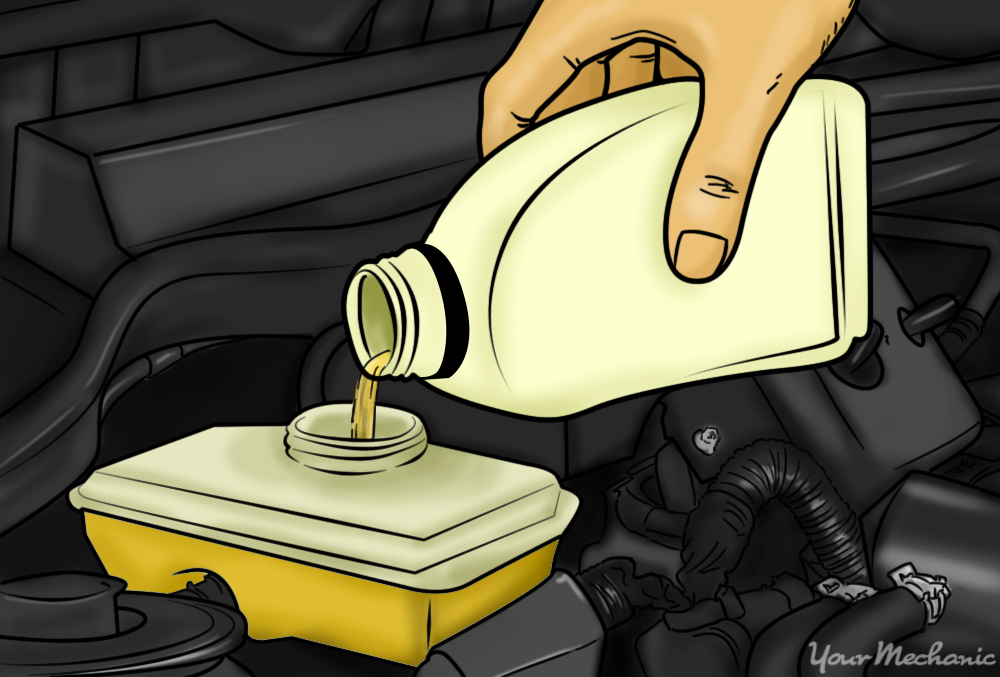
Brake fluid flush

Brake fluid is hygroscopic, which means it attracts and absorbs moisture. Even in a sealed brake system, the brake fluid can absorb moisture from the surrounding environment, resulting in lowered boiling temperature of brake fluid, and introduces the possibility of rust and corrosion in the hydraulic brake system. Most manufacturers specify different intervals for brake fluid flushes. If your manufacturer doesn’t specify, or they specify more than several years between services, then we recommend having it done every three years or 36,000 miles, whichever comes first.

2. Automatic transmission fluid flush
Transmission fluid draining
In order to make their vehicles seem low maintenance, automotive manufacturers began selling cars with “lifetime transmission fluid” that never needed to be changed. If this sounds too good to be true, that’s because it is. Modern transmissions work harder than their predecessors and in tighter engine compartments with less ventilation, so their fluid still degrades over time. Cars with “lifetime transmission fluid” often experience an increased rate of transmission failures after 100,000 miles. If you want your transmission to go the distance, it’s suggested that you change the transmission fluid every 60,000 miles, give or take a few thousand miles.

3. Coolant flush
Coolant draining

Just like automatic transmission fluid, coolant is often sold as another “lifetime fluid.” Once again, this is not entirely true. The coolant degrades over time with normal use, and the ph balance becomes less than ideal, which can cause the coolant to damage parts of the cooling system or engine. A good interval is to change the coolant every 40,000-60,000 miles. This should help keep the coolant ph level at a proper balance, which should keep your cooling system healthy.

4. Cabin air filter
Cabin air filter change

The cabin air filter is responsible for filtering the air coming into the passenger compartment from outside the vehicle. Some vehicles use a simple particulate filter, which removes dust and pollen from the air; some use an activated charcoal filter which removes the same dust and pollen, but can also remove smells and pollutants. Replacement of these filters is usually inexpensive, and can greatly improve the quality of the air you’re breathing in the car, making them a worthwhile investment.

5. Valve adjustments

Valve adjustment

Despite most newer cars using automatically adjusting hydraulic valve lifters, there are still a large number of vehicles on the road that use mechanical valve lifters. These lifters require occasional clearance checks, and adjustments if necessary. Best case scenario: running valves too tight or too loose can cause reduced power and efficiency. Worst case scenario: the engine can suffer severe damage, such as a burned valve.

Although this list is not completely inclusive of all the services that are normally skipped over when they should be performed, it is a list of some of the most commonly overlooked services that can have a big impact on how your vehicle performs. It’s also a reminder to ensure these services are done on your vehicle should you choose to follow an alternative maintenance schedule or plan. Though of course, the best way to maintain your vehicle is still to follow the manufacturer’s maintenance schedule.

Tuesday, 2 May 2017

10 Ways you are Killing your Car

The old mantra if you look after your car, your car will look after you certainly holds true. Car ownership is becoming more and more common with many households running 2 or more cars.

Sadly though few drivers are sympathetic to, or fully understand the way their car works. A little knowledge will keep your relationship with your car running smoothly!


Without realising it many drivers are actually damaging their car or at very least running up a hefty repair bill.

Here are the top 10 things people do every day completely oblivious to the consequences. Most of these points will at the very least hit us in our pockets in the near future.

How many are you guilty of?

1.) Oil changes and servicing – Engine oil is the vital component in your car. Some people will wrongly assume that if the car takes 5 litres of oil and they have topped up this year by 5 litres that there is no point in changing the oil. Oil degrades, and the reduction in oil level is due to the thinner high quality oil getting burned or just seeping out of the engine. The sludge, grime and metal particles build up in the residue so topping up is not the same as changing the oil. The oil level is dangerously low in over 70% of cars – check your oil levels today.

2.) Incorrect tire pressures  – cause additional heat to build up in the tires  due to the extra flexing. The car has to work harder reducing your fuel economy. With under inflated tires the handling becomes unpredictable at best. Braking is also significantly reduced.

3) Not allowing turbo to cool down – How many people with turbo driven engine drive it hard and then fail to allow the turbo to cool down properly? In Europe more and more production cars have turbos to meet emissions and power requirements. The turbo is spinning at between 100,000 rpm and 200,000 rpm and gets very hot, the moment you turn off the engine you starve it of fresh oil, unless your cars oil pump keeps running. The oil in the turbo gets fried and essentially leaves your turbo spinning with no lubrication. Your turbo will need replacing if this is your driving style.

4.) Driving hard on a cold engine! Don’t use higher engine RPMs when cold – until an engine is warm it will run rich. Your engine is most at risk from damage when cold, so putting undue stress on it by high revving will exponentially increase the damage done. The combustion process does not become efficient until the engine reaches its operating temperature. An inefficient burn leaves acids and other toxins th 874 at eat your engine. The oil also takes a short while to flow properly so ideally you would let the engine tick over for 3-10 seconds, then drive off at a steady pace keeping under 2-3000 rpm. Do not use the top half of the rev range until the engine reaches operating temperature. This applies as much to modern engines with catalytic convertors as it does on older engines. Don’t leave the engine idling to warm it up, just drive it (after giving it 30 seconds for the oil pressure to come up)!

5.) Short journeys – Just as driving off too quickly damages an engine so will doing short journeys. The problem with a short journey is that the engine never reaches its operating temperature. So for the reasons detailed in the driving off too quickly do not drive short distances. (Use the under 1 mile – walk philosophy!) The engine oil needs to reach its optimum viscosity to properly lubricate the main moving components in the engine. While cold the catalyst is unable to operate at peak efficiency thus reducing the life of your expensive catalyst.

Protect your car against the  rain this season

6.) Revving too high – The red line indicates the maximum permissible engine speed. At this point the engine is under enormous stress and the components are moving at their fastest speed. Slight imbalances in the engine are emphasised at high rpm and if you prolong the high rpm for a period of time you will more than likely throw a connecting rod through the sump (or worse). The older an engine is, the lower the red line should be. As an engine starts to produce most of its power across the middle third of its rev band there is little point exceeding this.

7.) Hand on gear stick – So many people do this but it can actually cause premature gear wear, especially if you wiggle the stick around. The stick is connected directly to the gearbox (in many cars) so the slightest pressure is transmitted to the gear selector. This is enough to cause wear and eventually your gearbox will start to grind and crunch as you change gear.

8.) Riding the clutch – Again keeping a foot on the clutch is enough to prevent it from fully engaging. The clutch plate will tend towards slip and will prematurely wear. Keeping the clutch depressed in traffic or at traffic lights is also a bad idea. Just put the car in neutral when you are stationary. When the clutch is depressed your are forcing the clutch against the release bearing. Eventually the release bearing will just give up having done 60,000 miles worth of pressure in just 10,000.

9.) Wrong gear selection – Nothing puts a strain on the engine like forcing it to pull the car in the wrong gear. Too high a gear strains the bottom end of the engine around the crank and con rods. Too low a gear will mean you are revving more than you need to so the top end of the engine around the valves, cams and lifters are working too hard.

10.) Driving a dirty car – This one is a little contentious but corrosion takes effect more easily on a car which is covered with a layer of dirt. A thorough clean each month and a coat of good quality wax (not polish) will do much to enhance the cars defence against corrosion.

Protect your car against the  rain this season

Source: Torque Cars

Tuesday, 25 April 2017

5 Car Parts Potholes Can Damage

Car damage from potholes is common during the rainy season. Check for tire bulges, suspension problems, and body damage if you drive over a pothole.

You might encounter dozens of potholes on your daily commute, and they can only be avoided for so long. You’re bound to hit one eventually, which can seriously damage your car.

How potholes form

Potholes are road imperfections that occur when soil compacted beneath pavement becomes weakened or displaced. Roads are particularly likely to form potholes in wet seasons, when lots of running water disrupt the base layers under the pavement. As cars drive over these weak spots, the pavement deforms, cracks, and chips away, leaving a hole in the road surface. Potholes start small, but grow as traffic hits them, potentially becoming deep or large enough to damage a car.

What to check if you hit a pothole

If you drive through a pothole, check these four areas to make sure it didn’t cause a problem that needs to be fixed:

Tires: Tires are meant to be the only part of your car that touches the road, so it isn’t a surprise that they’re susceptible to pothole damage like sidewall bulges, tread separation, or flats. These can happen because potholes often have a hard edge that compresses the tire against the wheel on impact, slicing the rubber or snapping the belts that hold a tire together. Driving on a blown out tire isn’t safe, but you may be able to repair it. However, a tire with a sidewall bubble or separated tread needs to be replaced right away. Cars with low-profile tires are particularly prone to pothole damage. Make sure your tires are always correctly inflated to help prevent these types of issues.

Wheels: Scraping your rims never looks good, but even the worst curb rash can’t damage a wheel like a pothole can. Hard angles in potholes apply impact force to wheels in ways they weren’t designed to handle, leading to bends, chips, or cracks. A bent wheel won’t roll smoothly and may not be able to form an airtight seal with a tire. Chips are usually easy to notice since they look like a chunk missing from the rim where it meets the tire. However, cracks can be subtle hairline fractures along the wheel circumference or in one of the spokes. Brake dust and road grime can make cracks difficult to spot, so give your wheels a thorough clean and inspection to check. Bent wheels can sometimes be repaired, but chipped or cracked wheels can fail catastrophically and must be replaced entirely.

Suspension: Car suspension is designed to absorb impacts and provide a smooth ride, but there’s a limit to how much it can handle. Sudden, jarring hits against potholes can cause a variety of suspension problems, including misalignment, broken ball joints, and damaged shocks or struts. Suspension bent out of alignment can usually be put back into place by a qualified mechanic, but until it’s fixed you may notice your steering wheel is off center, your car pulls in one direction, the handling feels loose, and your tires wear unevenly. Unusual vibrations and sounds, wandering steering, poor ride quality, or the vehicle leaning to one side can indicate broken ball joints, struts, or shocks, which usually need to be replaced outright. It can be difficult to correctly diagnose suspension damage, so it’s best to have an experienced mechanic inspect the entire system if you notice any of these symptoms.

Exhaust: Since exhaust pipes run along the undercarriage of a car, they’re a perfect target for potholes lurking in the road. Deep potholes can cause a car to bottom out and scrape the undercarriage against the pavement, potentially denting or ripping a hole in the exhaust pipes, muffler, or catalytic converter. You may experience a loss of power or unpleasant noises if there’s a hole in your exhaust system, but perhaps worse is the fact that your car will spew out harmful pollution unchecked. What’s more, a leaky pipe can let exhaust fumes into the cabin, posing a potentially serious health hazard.

Body: Generally speaking, the lower a car is to the ground, the better it handles, but cars that sacrifice ride height in pursuit of sportiness are more likely to be damaged by potholes. In addition to the issues listed above, potholes can scrape against low-hanging bumpers or side skirts. While this type of damage is usually cosmetic and doesn’t affect safety or performance, it’s still something that drivers who care about their car’s looks want to avoid. If you drive a low, sporty car, use its sharp handling to safely maneuver around any potholes you see.

The good news is that most potholes aren’t big or deep enough to pose a threat to your car. With correctly inflated tires and aligned suspension, chances are it will roll right through them. However, as seasons change and potholes grow, you need to stay alert and avoid them as best you can. If you don’t, you risk expensive car part repairs and replacements.

Thursday, 9 March 2017

Top 10 Brake System Issues Every Car Owner Needs To Know

Every driver should know how to check for problems with car brakes. Warped rotors, leaky brake hoses, and squeaky brakes are among the most common.

Are the brakes on your car squealing, is the car pulling to one side, or is there a giant puddle on the garage floor? All of these problems point to an issue with your braking system.


The brakes of a vehicle are an essential component to the safety of both the driver and the passengers. While brakes are quite reliable the system does require routine maintenance and problems can develop as a car ages.

How brakes work

The brake system in most modern vehicles is either a drum system or disc. Disc brakes use a rotor, which is attached to the hub of the wheel, calipers, brake pads, and a hydraulic system to slow the car and bring it to a stop.

When the brake pedal is depressed, the hydraulic system multiplies the pressure being put on the pedal, which causes the calipers to push the brake pads against the rotor, which slows the car and brings it to a stop.

A drum system works on the same principle. When the brake pedal is depressed the hydraulic system pushes the brake shoes against the drum, which is attached to the hub of the wheel. This slows the car and brings it to a stop.

Modern brake systems are extremely reliable but there are numerous parts and some of them require routine maintenance and replacement.

The top 10 brake concerns every driver should know

Brake pads: Worn out brake pads will cause the braking distance to increase and may cause a metal to metal grinding on the rotor surfaces. If a brake pad gets cracks in its surface - caused from overheating the pad - then they will squeak or squeal when stopping. If the pads and rotors get overheated then the stopping distance will be increased. Once you hear a squealing sound on a regular basis, it's time to replace the brake pads.

Rotors: The brake rotor surface needs to be flat to keep contact with the brake pads. If the rotor surface is warped from heat damage it will cause the brake pedal to pulsate up and down and the vehicle to jerk when stopping. If a rotor is overheated its surface will be discolored blue to purple and this hardens the surface and the brake pads will not be able to grip them. This will cause a vehicle to not stop as quickly as it should.

Leaks: A leak in the braking system is usually a hydraulic issue. If the brake pedal goes to the floor, it can usually be traced back to a leak. A leak in the brake line will result in a loss of brake fluid, and eventually the brake system may fail altogether. Leaks should be addressed immediately, a pool of brake fluid on the garage floor or a low brake pedal are all symptoms of this problem.

Sticking caliper: The caliper and caliper brackets hold the brake pads and force them against the rotor to stop the vehicle. Caliper pistons can become stuck in their bore, and when this happens the car will usually pull to one side when the brakes are applied or the pads and rotors will be overheated or worn down too fast. It will also affect performance under acceleration as the brake is sticking. A sticking caliper is more than a nuisance, it can be dangerous and should be repaired immediately. Sometimes the caliper bracket slides will bind causing the same issues as a stuck caliper except only one pad will get worn down too fast instead of both.

Warped rotors: Rotors can become warped if they are exposed to extreme stress. Mountain driving or towing can result in warped rotors. Even something as simple as parking a car next to a sprinkler system can warp a rotor. The cold water hitting the hot brakes can result in warping. Warped rotors will usually cause the steering wheel and vehicle to shake when the brakes are applied. Warped rotors may even increase stopping distance or cause the antilock brakes to prematurely engage.

Brake fade: If the vehicle is taking longer than normal to stop it is probably due to brake fade. In most cases this is a short-term problem but it can turn into a long-term issue. As an example, driving down a mountain road will heat up the brakes making the pads and rotors less responsive. Once the brakes cool down they should return to normal functionality. As time goes on brake fade can become permanent and then it is time to replace the brake pads and rotors. This is the early sign of overheating the brakes and will damage the rotors and pads.

Smoking brakes: While smoking brakes sound sort of cool, it is actually a very dangerous condition. Overheated brakes or brakes that are smoking means the brake pads have been burned or something is leaking onto the brakes. If this happens, the pads will develop a glaze, which can severely affect performance. If axle seals are leaking onto the brakes it will ruin the brake pads and rotors.

Brake light: If the brake light on the dash illuminates it can indicate a serious issue with the braking system. In most cases it indicates a problem with the hydraulics and the vehicle should be inspected and repaired as soon as possible. It is never safe to drive if the brake light is illuminated. The light also doubles duty to let you know the parking brake is on in some vehicles.

Faulty or collapsed hoses: A collapsed or malfunctioning brake hose can result in calipers that move unevenly. This will cause the vehicle pull to one side when the brakes are applied. If the brakes are pulling to one side the vehicle should be inspected and repaired as soon as possible. Sometimes the fluid pressure to the caliper will not be released by the faulty hose and will keep the caliper applied.

Emergency brake on: This may seem silly, but it happens more often than you would imagine. It is pretty easy to forget to release the emergency brake, and this will cause performance issues as well as damage to the brake system. If the car seems to be accelerating slowly or you hear a squealing or grinding noise check to make sure the parking brake is not engaged. If the parking brake cables seize after the parking brake is applied and then you try to release then can cause the vehicle to not be moved at all.

Tuesday, 7 March 2017

Top 5 Things That Will Drain Your Battery

It can be hard to figure out what causes a car battery to drain. A dead battery, old battery, or bad alternator can cause battery charging problems.


You're late for work and rush out to your car, only to find that it won't start. The headlights are dim and the engine simply refuses to turn over. You realize that your battery is dead. But how did this happen? There are five main causes of car battery drain or failure.

Human error

You’ve probably done this at least once in your life – you come home from work, tired and not really thinking, and left the headlights on or didn't completely close the trunk. Overnight the battery drains, and in the morning your car won’t start. Many new cars alert you if you’ve left your lights on, but may not have alerts for other components.

Parasitic drain

Parasitic drain is due to components in your vehicle continuing to run after the key is turned off. Some parasitic drain is normal – your battery delivers enough energy to keep things, like your clock, radio presets, and security alarm operational at all times. However, if there's an electrical problem, parasitic drain can exceed what's normal and deplete the battery.

Bad charging

If your charging system isn’t working properly, your car battery can drain even while you’re driving. Many cars power their lights, radio, and other systems from the alternator, which can make the battery drain worse if there's a charging problem. Then you’ll be stranded at roadside with a stalled car that needs a boost. And even then, bad charging will drain your car’s battery. A professional mechanic will be able to diagnose what's causing a charging problem.

Defective alternator diode

A car alternator recharges the battery and powers certain electrical systems. If your alternator has a bad diode, your battery can drain. The bad diode can cause the circuit to charge even when the engine is shut off, and you end up in the morning with a car that won’t start.

Old battery

If your battery is old, it might not hold a full charge. If your car consistently won't start, it’s possible that the battery is worn out. You should generally replace your car battery every 4-5 years. If your car isn’t starting consistently, and your battery is old, battery replacement should be the first thing you consider.

Having a battery that won't hold a charge is frustrating, and figuring out what's causing the problem can be tricky. Assuming that the cause of the battery drain is not human error, you will need the assistance of a qualified mechanic who can diagnose your car's electrical problems and determine if it is the battery or something else in the electrical system.

Thursday, 2 March 2017

Symptoms of a Bad or Failing Ignition Coil

Common signs include the Check Engine Light coming on, engine misfiring, rough idle, a reduction in power, and the car not starting.


Ignition coils are an electronic engine management component that are a part of the vehicle’s ignition system. The ignition coil functions as an induction coil that converts the vehicle’s 12 volts into the several thousand that are required to jump the spark plug gap and ignite the engine’s air-fuel mixture. Some ignition systems will use one coil to provide the spark for all of the cylinders, however most newer designs use an individual coil for each cylinder.

As the ignition coil is the component responsible for generating the engine spark, any problems with it can quickly lead to engine performance issues. Usually a faulty ignition coil will produce a few symptoms that alert the driver of a potential issue.


1. Engine misfires, rough idle, and loss of power

One of the most common symptoms associated with a faulty ignition coil is engine performance issues. As the ignition coils are among the ignition system's most vital components, an issue can cause spark to be compromised, which can quickly lead to performance issues. Faulty coils may cause the vehicle to experience misfires, a rough idle, a loss in power and acceleration, and a reduction in gas mileage. In some cases the performance issues may even result in the vehicle stalling.

2. Check Engine Light comes on

Another symptom of a potential issue with the vehicle’s ignition coils is an illuminated Check Engine Light. Faulty coils can lead to engine performance issues, particularly misfires, which will trip the computer and set off the Check Engine Light. The Check Engine Light will also be set off if the computer detects an issue with the ignition coil signal or circuit, such as when a coil burns out or shorts. An illuminated Check Engine Light can be caused by a wide variety of issues, so having the computer (scanned for trouble codes)

3. Car is not starting

A faulty ignition coil can also lead to a no-start condition. For vehicles that use a single ignition coil as the source of spark for all of the cylinders, a faulty coil will affect the operation of the entire engine. If the coil fails completely, it will leave the engine without spark, which will result in a no spark, no-start condition.

Problems with ignition coils are usually easy to detect as they produce symptoms that will be quite noticeable to the driver. If you suspect that your vehicle’s ignition coils are having an issue, have the vehicle inspected by a professional technician from AutoFactorNG to determine if any coils need to be replaced.

Tuesday, 28 February 2017

Common Signs of a Dirty Air Filter

A car air filter cleans the air entering the engine. Signs of a dirty air filter include a misfiring engine, unusual noises, and reduced fuel economy.


A car engine combines air and gasoline in the combustion chamber to create power. This air reaches the engine through an air filter that works to keep out road debris, dirt, bugs, and other contaminants that can damage the engine. At the same time, the air filter must allow enough air to reach the engine so that it can perform effectively. Over time, the air filter can become dirty and clogged, and the lack of air can affect the overall performance of your car.

Most auto companies recommend that you change the air filter every 10,000 to 15,000 miles, or every 12 months. However, if you typically drive in dusty or rural areas like Scottsdale, Arizona, or San Antonio, Texas, you might want to have your mechanic check and change it more frequently, such as every 6,000 miles. Driving in crowded areas where there is heavy traffic – including Los Angeles and Washington D.C. – and you need to stop and start more often also requires you to replace the air filter more frequently.

Make note of these symptoms that indicate your air filter needs replacing:

Reduced fuel economy

Your engine compensates for lower amounts of oxygen by consuming more fuel to produce sufficient power. Thus, if you notice that your fuel economy is going down, it could be an indication that the air filter needs replacing. However, this is true only for carbureted cars, most of which were made before 1980. Newer cars with fuel-injected engines have onboard computers which calculate the amount of air taken into the engine, and adjusts the fuel flow accordingly. Therefore, the cleanliness of the air filter on newer cars shouldn't significantly affect fuel economy.

Misfiring engine

Restricted air supply from a dirty air filter results in unburnt fuel exiting the engine in the form of soot residue. This soot accumulates on the spark plug, which in turn cannot deliver the necessary spark to combust the air-fuel mixture. You’ll notice that the engine does not start up easily, misfires, or jerks roughly.

Unusual engine sounds

In normal circumstances, when your car is stationary with the engine turned on, you should sense the smooth rotation of the engine in the form of subtle vibrations. If you notice your car vibrating excessively or hear a coughing or popping sound, it is often due to a dirty or damaged spark plug resulting from a clogged air filter.

Check Engine Light comes on

Many modern engines suck up about 10,000 gallons of air for every single gallon of fuel burned in the combustion cycle. Inadequate air supply can result in carbon deposits accumulating in the engine which may set off the Check Engine Light. If that happens, have your mechanic check the air filter among other diagnostics.

Air filter appears dirty

A clean air filter appears white or off white in color, but as it accumulates dust and dirt, it will look darker in color. However, very often, the inner layers of filter paper inside the air filter might have dust and debris that is not visible even in bright light. Therefore, it is essential that you have your mechanic check the air filter when you take the car for maintenance. Make sure to follow the manufacturer’s instructions regarding replacement.

Reduced horsepower

If your car does not respond adequately or if you notice jerking movements when you press the accelerator, this could indicate that your engine is not receiving all the air it needs to perform. Replacing your air filter can improve acceleration or horsepower by up to 11%.

Black sooty smoke or flames exiting the exhaust

An inadequate air supply can result in some of the fuel not burning completely in the combustion cycle. This unburnt fuel then exits the car through the exhaust pipe. If you see black smoke coming from your exhaust pipe, have your mechanic replace or clean the air filter. You might also hear popping sounds or see a flame at the end of the exhaust. This happens when the heat in the exhaust system ignites unburnt fuel near the tailpipe. This is a potentially hazardous condition and needs to be diagnosed right away.

Smell of gasoline when starting the car

If there isn’t enough oxygen entering the carburetor or fuel ejection system when you start the car, the excess unburnt fuel exits the car through the exhaust pipe. That’s when you’ll smell the gasoline and know that it’s time to replace the air filter.

Tuesday, 7 February 2017

Symptoms of a Bad or Failing Alternator

Common signs include having to jump start the car frequently, dim lights when operating the vehicle, or the Battery Light coming on.

The electrical charging system is one of the most important systems on any vehicle. The charging system is made up of several components, including the alternator and battery, that work together to supply all of the vehicle’s electrical needs. The alternator is what specifically generates the amperage and electricity required to meet the vehicle’s electrical needs, including keeping the battery charged.

Because the alternator plays such a vital role in keeping all of the vehicle’s electrical components powered, any problems with the alternator can quickly develop into problems with another system or component on the vehicle. Usually, a defective or failing alternator will produce a few symptoms that can alert the driver of a potential issue, allowing time for the driver to service the vehicle before a bigger problem occurs.

1. Having to jump start the vehicle on a regular basis

One of the first symptoms of a bad or failing alternator is the need to jump start the vehicle on a regular basis. It is the job of the battery to provide the power to crank the engine and start the vehicle, however, it is the job of the alternator to make sure that the battery stays charged. If the alternator is beginning to have problems or has failed, it will not be able to meet the vehicle’s electrical needs, including keeping the battery fully charged. A low or uncharged battery will not be able to keep up with the load required to start an engine multiple times, and will result in a dead battery. Continuously having to jump start the vehicle may be a sign that the alternator may not be charging the battery and is therefore unable to successfully start a vehicle.

2. Dim lights

Another symptom of a potential problem with the alternator is dim or flickering lights. If you notice any sort of flickering or dimming of the lights when operating the vehicle, it may be a sign that the alternator is not generating enough power to keep up with the vehicle’s electrical needs. The dimming or flickering may coincide with certain actions when operating the vehicle, such as dimming when pressing on the gas pedal, turning up the volume on the stereo, or turning on another light. This symptom may be indicative of an alternator that is unable to keep up with the needs of the vehicle’s electrical system while it is running, and when additional loads are placed on it.

3. Battery Light comes on

One of the most common symptoms of a problem with the alternator is an illuminated Battery Light. The Battery Light will usually come on when the computer detects that the system voltage has fallen below a certain requirement. This usually means that the alternator, or perhaps one of its internal components, has failed and it is no longer able to keep up with the vehicle’s electrical requirements, and it has been detected by the computer. An illuminated Battery Light also indicates that the vehicle is now running on limited battery life. Depending on the condition of the battery, and how long the Battery Light has been on, the vehicle should be able to run for a short amount of time before the battery finally dies. At that point, the vehicle will shut off and service will be required.

The alternator is among a vehicle’s most important components, as it essentially serves to provide the electrical supply for the entire vehicle. Any problems with it can quickly translate to problems with starting and running the vehicle, which opens up the possibility of being stranded on the road.

If you suspect that your vehicle may be having a problem with the alternator, or it is displaying any of the symptoms above, [have the battery and alternator carefully inspected] by a professional technician, such as one from AutoFactorNG. WE will be able to determine if an alternator replacement is necessary, or if another issue needs to be addressed.

Thursday, 2 February 2017

Symptoms of a Bad or Failing Steering Rack/Gearbox

Common signs include a very tight steering wheel, leaking power steering fluid, grinding noises when steering, and a burning oil smell.


The steering system utilized in today's modern cars is a rack and pinion steering system. The rack and pinion is comprised of multiple components including the universal joints, main and intermediate shafts, and at the center is the steering rack or gearbox. It's this central unit that receives input from the driver, by way of the steering wheel and steering column and sends a mechanical signal to tie rods and steering shafts to complete smooth and efficient left and right turns. However, from time to time, the steering rack or gearbox will wear out and quick and efficient service to repair this important component can mean the difference between a minor inconvenience and a major mechanical overhaul.

The steering rack is essentially the heart of the steering system. When it wears out or breaks entirely the ability to steer a vehicle is compromised. When this happens while you are driving, it can be extremely dangerous. It's for these reasons and many more that being alert to some of the warning signs of a bad or failing steering rack or gearbox can save you money, time and reduce the potential of an accident.

Here are a few of the symptoms or warning signs that will alert you to a potential problem brewing with your steering rack.

1. Very tight steering wheel

Today's rack and pinion steering systems are supported by a power steering control that utilizes hydraulic pressure to allow easy steering and quick steering wheel handling. When the steering wheel feels tight or is harder to turn than usual, it's typically due to the steering rack or gearbox building up more heat or a loss of hydraulic pressure from the power steering control. Either way, it's a problem that won't go away and should be inspected as soon as possible by an ASE certified mechanic. Sometimes it's just low power steering fluid or a minor adjustment that can solve this problem and extend the lifespan of your steering rack.

2. Leaking power steering fluid

As noted above, sometimes tight steering is indicated by low power steering fluid. However, since the steering box is hydraulically powered, the fluid levels won't decrease unless there is a leak somewhere in the system. Once you start to leak power steering fluid it means there is a loose fitting, broken gasket or other mechanical issue causing the leak that must be fixed as soon as possible. Failure to do so will result in the steering rack or gearbox to develop excess heat, potentially breaking gears and other components that could lead to an accident.

Leaking steering fluid can be distinguished from other fluids by its smell (typically a burning oil smell). It's also typically red or pink in color and will be dripping from the back part of your motor. If you discover this type of fluid under your car, contact a mechanic as soon as possible to inspect the leak and repair it before the leak causes additional damage

3. Grinding noise when steering

A bad or failing gearbox is typically caused by lack of proper lubrication and service. The excess heat causes metal-to-metal contact and thus creates a loud, grinding noise when you turn left or right. You can really notice this sound especially when you turn and hit a bump at the same time; specifically when you drive into a driveway. If you notice this grinding sound when you steer left or right, contact a mechanic so they can quickly diagnose and replace the steering gearbox if needed.

4. Burning oil smell

A less common warning sign of a damaged steering rack or gearbox is the smell of burning oil. Since power steering fluid itself smells like burnt oil, the strong aroma of burnt oil will be present when the steering gearbox is hot. If this occurs, stop your vehicle immediately, find a safe place to park your vehicle and call a mechanic as soon as possible. Continued driving when a steering gearbox is overheating may result in fire and catastrophic damage.

The steering rack or gearbox is an essential component vital to the smooth steering operation of any vehicle utilizing a rack and pinion steering system. If you notice any of the above symptoms or warning signs, contact AUTOFACTORNG as quickly as possible so they can diagnose and repair any damage done.

Thursday, 26 January 2017

Symptoms of a Bad or Failing Catalytic Converter

Common signs include reduced engine performance, rattling sounds, and the Check Engine Light turning on.

A catalytic converter is an exhaust emissions component that works to reduce vehicle emissions and pollution. It is a metal canister that is installed in the exhaust system. It is filled with a chemical catalyst, usually a platinum and palladium mixture, and helps to convert the vehicle’s emissions into non-harmful gasses. Usually a faulty catalytic converter will produce a few symptoms that can alert the driver that service may be required.


1. Reduced engine performance

One of the first symptoms commonly associated with a bad or failing catalytic converter is a reduction in engine performance. The catalytic converter is built into the vehicle’s exhaust system, and as a result, can affect the performance of the engine if it develops any problems. A clogged converter will restrict exhaust flow, while a cracked one will leak. Both can negatively affect engine performance and can cause a reduction in power and acceleration as well as fuel economy.

2. Rattling noise

Rattling noises are another symptom of a bad or failing catalytic converter. If a catalytic converter becomes old or damaged internally from excessively rich fuel mixtures, the catalyst coated honeycombs on the inside of the converter can collapse or break apart causing a rattle. The rattle may be more obvious when starting the vehicle, and will get worse over time.

3. Check Engine Light comes on

A bad or failing catalytic converter can also cause an illuminated Check Engine Light. The oxygen and air fuel ratio sensors that modern vehicles are designed with monitor the efficiency of the catalytic converter by monitoring the gas levels in the exhaust. If the computer detects that the catalytic converter is not operating correctly, or not catalyzing the exhaust gases properly, it will set off the Check Engine Light to alert the driver that there is a problem. A Check Engine Light can also be activated by a variety of other problems, so it is recommended to have the vehicle scanned for trouble codes to be certain of the issue.

The catalytic converter is one of the most important emissions components found on modern vehicles. Without it the vehicle may produce excessive emissions and have trouble passing the emissions tests that are required in some states. If you suspect that your catalytic converter may be having a problem, have the vehicle inspected by a professional technician, such as one from AUTOFACTORNG to determine if the car will need a catalytic converter replacement.

Tuesday, 24 January 2017

Symptoms of a Bad or Failing Tie Rod End

Common signs include a front end alignment that is off, a shaky or loose steering wheel, and uneven or excessive tire wear.


The job of keeping your wheels and tires driving straight down the road is completed by several components in the suspension system. Whether you have a truck, SUV, or commuter car, they all have tie rod ends that attach to the wheel housing and ensure your vehicle has a smooth and efficient ride every day. However, this component is subject to extreme wear and tear due to the fact that it's used every time the vehicle is in motion. When it wear out or fails, you'll notice a few warning signs that should be inspected by a certified mechanic and replaced if needed.

As the name implies, the tie rod end is attached at the tip of the tie rod and connects the wheels of the vehicle with the steering and suspension components that permit the vehicle to steer. When the tie rod end begins to wear out, it's usually due to impact, constant use on bumpy roads or simple age. Frequently, the part that wears out in the tie rod end is actually the bushing. However, it's advised that you replace the tie rod end completely as metal fatigue can also cause the part to fail. If you have the tie rod ends replaced, it's critical that you remind the mechanic to complete a front end alignment, which will set your wheels to point straight.

Like any other mechanical part, a worn out tie rod end will display a few warning signs or indicators that the part is failing and needs to be replaced. Listed below are a few of these symptoms. If you notice any of these, please contact a mechanic as soon as possible so they may properly diagnose the problem and take corrective action to replace what might be broken.

Thursday, 19 January 2017

Symptoms of Bad or Failing Spark Plugs

Common signs include slow acceleration, poor fuel economy, engine misfires, and difficulty starting the car.
Without spark, there would be no way for fuel to ignite in the combustion chamber. Spark plugs have been a critical component of the internal combustion motor for years.

They are designed to transmit an electrical signal sent to the spark plug from the ignition coil and a predetermined time to ignite fuel inside the combustion chamber. Each vehicle requires a unique spark plug made from specific materials and with a designated spark plug gap that is set by a certified mechanic during installation. A good spark plug will help burn fuel efficiently while a bad spark plug can cause the motor not to start at all.


Spark plugs are similar to oil, fuel filters and air filters in that they require routine service and maintenance in order to keep your car running strong. Most vehicles sold in the US require that spark plugs are replaced every 30,000 to 50,000 miles. However, newer cars, trucks and SUV's manufactured have advanced ignition systems that claim to have lifetime warranties on the plugs. Regardless of the warranties, or claims made, there are times when a spark plug wears out or shows signs of failing.

Listed below are a few of the common symptoms of worn out spark plugs or spark plugs that have fouled and need to be replaced by a local ASE certified mechanic as soon as possible, so you can continue driving your vehicle without hassle.

1. Slow acceleration

The most common cause of poor acceleration on most cars, trucks and SUV's is a problem in the ignition system. Today's modern engines have multiple sensors that tell the on-board computer and ignition system when to send electric pulses to fire the spark plug. However, sometimes the issue is just as simple as a worn out spark plug. A spark plug is composed of materials that work together in order to produce a spark hot enough to ignite an air to fuel mixture. When those materials wear out, the effectiveness of the spark plug is reduced, which can significantly reduce the acceleration of the vehicle.

If you notice that your car is running sluggish or does not accelerate as quickly as it used to, it may be contributed to a spark plug that needs to be replaced. However, you should contact a mechanic to inspect this issue as it could be caused by multiple other factors including bad fuel filters, dirty or clogged fuel injector, or issues with O2 sensors.

2. Poor fuel economy

When a spark plug is working correctly, it helps to burn fuel efficiently. When this occurs, your car can achieve better than average fuel economy. When the plug is not burning efficiently, it is commonly due to the fact that the gap between the spark plug electrodes is either too close or too far apart. In fact, many mechanics will take out spark plugs, examine them and adjust the gap to factory settings during a routine tune up as opposed to replacing the spark plug. If your vehicle is losing fuel economy, it very well could be contributed to a worn out spark plug.

3. Engine is misfiring

If the engine misfires, it's typically due to an issue in the ignition system. Most of the time in modern cars, it's due to a sensor that is malfunctioning. However, it may also be caused by a spark plug wire or the tip of the spark plug that connects to the wire being damaged. An engine misfire can be noticed by intermittent stumbling or stuttering sounds from the engine. If the engine is allowed to keep misfiring, exhaust emissions will increase, engine power will decrease, and fuel economy will reduce.

Because of all the potential problems associated with engine misfiring issues, you should contact a mechanic as soon as you notice an engine misfire, so they can inspect the issue and determine the right course of action to repair the problem.

4. Difficulty starting the vehicle

If you have trouble starting your vehicle, it could be a sign your spark plugs are worn. However as we've noted above, the engine's ignition system is comprised of multiple individual components that must work cohesively in order to function properly. At the first sign of problems starting your car, truck or SUV, it's a good idea to contact the mechanic, or contact one of our mechanics at Autofactorng.com to ask a free question.

Regardless of what the issue might be, the reality is that spark plugs will eventually wear out. Being proactive about spark plug maintenance can extend the life of your engine by hundreds of thousands of miles.

Tuesday, 17 January 2017

Symptoms of Bad or Failing Stabilizer Linkage

Common signs include clunking or rattling noises from the tire area, poor handling, and loose steering wheel.


The responsibility of keeping your car stable and handling smooth under multiple driving conditions falls on the stabilizer linkage, or sway bar as it's often referred. This mechanical unit is attached to the body of the vehicle by way of a body mount with stabilizer bushings and the stabilizer linkage – which attach to the lower control arm of the front suspension and have bushings along the link for protection and to ensure a smooth ride. When the stabilizer linkages are starting to wear out, the symptoms can range from barely noticeable to significant, and if you don't have your stabilizer linkage replaced, can result in catastrophic damage to the front end of your vehicle and potentially an accident.

Noted below are a few warning signs that will let you know when your stabilizer linkage are starting to wear out and need to be replaced by an certified mechanic.

The stabilizer linkage attach to the lower control arm of the front end of most domestic and foreign cars and trucks sold in the United States. From time to time, the rear end will also have stabilizer linkage. However, the ones that cause the most damage are in the front and located right behind your left and right front tires. If you're driving down the road and you start to hear a clunking, rattling or metal-on-metal scratching noise, it is possibly the stabilizer linkage causing the sound.

The stabilizer linkage are supposed to fit incredibly snug, without any play or movement except between rubber bushings. When the links are worn out, the stabilizer linkage will begin to make these sounds especially when you're driving around corners or over a speed bump. When you hear these types of noises coming from the front end of your car, truck or SUV, make sure to contact a certified mechanic and have them inspect and replace stabilizer linkage and bushings. This job requires that both the driver and passenger side be completed at the same time.

Poor handling or loose steering wheel

Since the stabilizer linkage are attached to the lower control arm, steering and handling are also negatively impacted when they begin to wear out. Most of the time, the actual culprit are the bushings that are designed to take the majority of the impact and help to protect the metal parts from wearing out. However, the bushings also can cause extensive corrosion, especially if oil, grease or other debris becomes embedded on the stabilizer bar. The direct result of all of these issues is that the car or truck simply won't handle the same way. The steering wheel will appear to be "loose", and the body will sway from left to right more due to the fact that the stabilizer bar links and bushings are wearing out.

A great opportunity for car owners to be proactive about keeping their stabilizer linkage and front suspension protected from significant damage is to ask a certified mechanic to inspect them during a front brake pad replacement, tire replacement, or other front end work. When they look under the front end, they will also inspect the tie rods, shocks and struts, CV joints and boots along with the front stabilizer linkages, bushings and other front end components. Believe it or not, it's actually a good idea to have the front stabilizer linkage links and full bushings all replaced at the same time that other front end work is being completed.

This allows the mechanic to then complete an accurate front end suspension alignment; which properly sets the suspension straight, so that the car drives smoothly, wears your tires properly, and the car doesn't pull to the right or left when you are driving straight.

As with any front end suspension work, it's always best to have a professional and ASE certified mechanic complete your stabilizer linkage replacement. If you notice any of the warning signs or symptoms above, contact AutoFactorNG so they can inspect your stabilizer linkage and supporting equipment.

Wednesday, 21 December 2016

How to Diagnose a Shaking Steering Wheel

An issue with your car's suspension or drive system will cause a shaking steering wheel. A tire and wheel out of balance can cause a vibration.

During normal operation, your car should drive smoothly and consistently across the streets you navigate. As drivers, we barely feel bumps, cracks or imperfections in the roads due to the advanced technology that comprises the suspension and drive systems on modern vehicles. However, there are times when we feel a vibration in the steering wheel that shows up on certain roads, at a particular speed or anytime the vehicle moves forward.


Because there are multiple components on today's vehicles that can cause shaking in the steering wheel, trying to find the exact source can be frustrating and time-consuming, even for the most experienced mechanics. Add the fact that multiple front end components could be worn out or out of alignment at the same time, and you'll understand why the process of discovering the exact cause of steering wheel vibration can be a time consuming and extremely detailed process.

Part 1 of 3: Diagnosing tire and wheel balance issues

The most common cause of steering wheel vibration is due to tires and wheels that fall out of balance. Tire/wheel balance is the process of adding weight to the wheel after a new tire has been installed. Every tire that comes off the factory floor has some imperfections in the construction or the weight distribution, and requires weights to balance it.

The best way to determine if the steering wheel shaking is caused by your front tires and wheels being out of balance is to have a professional tire technician complete a balance check.

Typically the warning signs that lead to this issue include:


  • The steering wheel vibrates when the vehicle reaches highway speeds (55 mph and above)
  • The shaking progressively gets worse the faster the vehicle drives
  • The shaking goes away when you decelerate below highway speeds

You can also perform some inspections yourself to determine whether or not your tire/wheel balance is causing the steering wheel vibration.

Check the sides of your tires for marks. The most common cause of tires and wheels falling out of balance is due to the tire striking a curb. If you see scuff marks on the side of your tire, it's a good indication that the tire and wheel are out of balance. Hitting an object will shift the weight balance of the tire to where the tire struck the object.


Another simple check is to inspect the side of the wheel where the weights were initially installed. If you see a clean spot in the shape of a wheel weight on the side of your wheel, it's likely that the weight fell off. This check is hard to complete on the inside of the wheel, but if you can, turn the wheel to the left and inspect the inside as well.

Part 2 of 3: Diagnosing wheel bearing issues

The wheel bearings secure the wheel hub to the vehicle’s suspension. Inside the wheel bearing housing is lubricant designed to keep the bearings cool and reduce the buildup of heat as the wheel spins. Over time, the wheel bearings tend to lose lubricity, and if the bearings are not replaced in a timely manner, they can cause the wheel hub to loosen.

As the vehicle drives down the road, the loose wheel will vibrate, which may be felt in the steering wheel. If the wheel bearings are not replaced soon, they can break, causing the entire wheel/hub assembly to fall off the vehicle and create a dangerous driving situation.

There is a very simple test that any novice mechanic can perform to check whether or not the wheel bearings are causing the vibration. To perform this inspection, you'll need to follow these basic steps.

Step 1: Raise the front end of the vehicle on jack stands. Using a hydraulic lift or a jack and jack stands, raise the front end of the vehicle.

Make sure to jack the front wheel from the lower control arm or the side body mount.

Step 2: Check the tire/wheel for loose wheel bearings. As noted in the image above, the inspection for loose or worn out wheel bearings is rather simple to complete and is done by touch. Place both hands on the tire, preferably with one hand at 3 o’clock position and the other at 9 o’clock.

Push and pull the tire in and out with both hands. If you do this and hear a clunking sound, or the wheel moves freely while shaking the tire, it's a good indication that the wheel bearings are worn out and need to be replaced.

Step 3: Replace the wheel bearings or have a mechanic complete this task. If you have the right tools and experience, replacing the wheel bearings is a rather simple job to complete.

But if you don't, or simply do not feel comfortable completing this task, contact a mechanic who can replace your wheel bearings for you. This is a dangerous situation that you don't want to delay fixing.

Part 3 of 3: Inspecting suspension component issues

There are multiple components that comprise the modern front end suspension. Each of these parts are connected to providing steering input, power the front wheels and keep the front wheel in line so the vehicle will drive straight down the road.

Improper alignment of suspension parts can impact the stability of the vehicle, and can also cause shaking in the steering wheel. The shaking is typically caused by suspension parts that are worn out or loose, which causes the alignment issues.

In order to find out if suspension parts are worn out or the suspension alignment is faulty, you'll have to complete the following inspections:

Step 1: Check the tie rods for wear. The first items you want to inspect for wear and tear in regards to steering wheel vibration are the tie rods. Refer to your service manual for exact instructions and steps on how you should inspect them, as each vehicle's tie rod construction and location is unique.

Step 2: Check the bushings. A common cause of steering wheel vibration at lower speeds is when the bushings of the tie rods, spindles, or control arms are worn out.

First, jack up your vehicle's front end and place the front end on jack stands (make sure to put wheel chocks behind the rear wheels).

Using a flashlight, inspect the bushings for cuts, frays, pinching, signs of excess grease or the bushings being pushed out of the brackets. Try to move or wiggle the suspension part that is connected by the bushings. If the part moves, the bushings have failed and must be replaced.

Step 3: Check the shocks, struts and springs. Most vehicles have front struts or shock absorbers that are connected to the lower control arm and are a part of the suspension.

To check for wear and tear that could cause vibration in the steering wheel, complete the following inspections:


  • Look for signs of grease: When a shock or strut is leaking, you'll usually find grease along the strut or the shock mounts. This could mean that the shocks or struts are loose, causing the vibration.
  • Check the spring for damage: In some cases, the spring will become detached from the coil-over shock/strut. This can also cause vibration issues.
  • Check the shock mounts: If the mounts are loose, it will definitely cause the front end to rattle and steering wheel to vibrate. This is noticed immediately as soon as the vehicle moves forward or backward.

If you've completed all of these checks and still can't find the source of the problem, or need an extra set of professional hands to help fix the problem, contact AUTOFACTORNG to find a local ASE certified mechanic who will be happy to assist you with the steering wheel vibration issue.

Tuesday, 13 December 2016

How to Increase the Lifespan of Your Suspension

Car suspension is under constant load. Check your tire alignment, shocks and struts, and steering system to make your suspension system last longer.

No car, truck, or SUV is going to last forever, but keeping your vehicle working well for as long as possible will save you both headaches and money. Also, keeping your vehicle’s suspension in good working order will mean you’re getting the most out of your vehicle in terms of handling, ride, and most importantly, safety. With that in mind, what should you do to maximize the lifespan of your vehicle’s suspension?


The suspension is composed of hundreds of different parts, and vehicles vary tremendously in suspension designs, but every suspension has to do three things: hold the vehicle up, absorb bumps and other road shocks, and turn the vehicle in response to the driver’s input. To accomplish these tasks, the system is composed of the following major parts and subsystems:

  • Wheels and tires. Many drivers don’t think of tires as part of the suspension, but they’re arguably the most important part. Tires provide traction for acceleration, braking, and cornering, as well as absorbing smaller bumps.'


  • Springs. Every car and truck today has some sort of springs, which support the vehicle and absorb large bumps.


  • Shock absorbers. While springs absorb the bumps, shock absorbers (or, in cars that have them, struts) dampen the motion of the springs after a bump, keeping them from bouncing up and down excessively.


  • Linkages. A complete compilation of suspension linkages would fill a book, but every suspension includes various arms, rods, and other connecting pieces that collectively keep the wheels where they’re supposed to be relative to the rest of the vehicle. Most of these linkages are solid metal parts.


  • Bushings, bearings, and joints. Because most parts of the suspension have to be able to move, the various linkages are connected by flexible connections.
  • Steering system. Whether the steering is considered a separate system or part of the suspension, its operation is intimately connected to the suspension as it directs how the front wheels respond to driver commands. Every steering system includes a steering “box,” which converts rotation of the steering wheel to movement of the vehicle’s wheels, as well as linkages to connect everything; vehicles equipped with power steering also include either a hydraulic system including fluid lines and a pump, or several electrical motors.

Each of the major part types listed above requires attention, but some require much more than others. If you’re interested in making everything last as long as possible, you’ll want to do the following:
  • Check your tires’ air. This is probably the easiest maintenance to perform, and may be the most important. Properly inflated tires (check your manual for the correct pressure) help protect the rest of the suspension from damage; under-inflation costs you money in extra fuel while hurting handling and braking performance; if the tires are seriously low on air, the car won't even be safe to drive. Check inflation at least every couple thousand miles.
  • Check your tires’ tread. When you check the tires’ air pressure, check the tread too. The minimum legal tread depth is 1/16 of an inch (check it by placing a penny in one of the grooves; if you can’t cover up any of Lincoln’s head, you don’t have 1/16 depth). However, many experts recommend at least 1/8 inch for safe driving (use a nickel instead of a penny; the top of Jefferson’s head is 1/8 of an inch from the edge of the coin), and even more is best for driving in snowy conditions. Regardless, watch for uneven wear, which means there’s another problem (usually misalignment).
  • Get your wheels aligned. Proper alignment improves handling, reduces tire wear, and is necessary for safety. An alignment every two years or 30,000 miles is a minimum for most vehicles; if you drive on rough roads (including those with potholes) a lot, you’ll want an alignment about every year.
  • Check the power steering fluid and belt. If your car has hydraulic power steering, your mechanic should check the fluid level and belt tightness at every oil change or every 5,000 miles. A slipping belt or low fluid level can damage expensive power steering components, and might make your car unsafe. Also, your power steering fluid may need to be changed every 30,000 miles or so; check your owner’s manual.
  • Inspect the bushings and joints. At every oil change, your mechanic should (and probably will) check every suspension and steering system bushing and joint for wear or damage. Also, older vehicles’ tie rod ends and ball joints may need to be lubricated periodically. (Most modern cars and trucks have sealed joints.) Such checks and, if necessary, joint lubrication are a standard part of a wheel alignment and full-service oil changes.
  • Inspect the shocks. Shock absorbers and struts should be checked for leakage, as a leaking shock will soon need replacement and may contribute to damage to other suspension components. As with bushings and joints, this inspection is a normal part of wheel alignment and usually of a full-service oil change.
  • Have everything inspected if you’re in an accident. Most of the linkages and springs should last a long time, possibly the life of your car. But after an accident involving one or more wheels, every component of the suspension should be checked for damage.
One more thing: the way you drive, and where you do it, matters too. Suspensions are designed to cope with bumps, but over time they cause wear to various components; driving rapidly over speed bumps, potholes, and similar large bumps can shorten the life of the system.

Because every vehicle’s suspension is composed of so many connected parts, wear or damage to one part can sometimes damage others. The best approach to keeping your suspension working well for as long as possible is to check for wear on a regular basis, and fix any problem as soon as you find it rather than letting the damage — and the eventual cost — build up.

Thursday, 8 December 2016

Signs Your Car Needs an Oil Change

Oil changes keep your car engine running smoothly. Rough idling, slow acceleration, and engine noises mean you need to replace your car oil.


Is your vehicle feeling sluggish? Does your engine sound noisy? Is your oil pressure low and or your oil light on? Chances are, you need an oil change but even if you’re not experiencing some of the more obvious symptoms of dirty oil, your car could still be in need.


Here are the top signs your car needs an oil change:

The car makes a ticking noise when started

As your engine operates, it continuously pumps oil throughout the crankcase and cylinder heads and, after a while, that once golden fresh oil becomes dirty and contaminated from heat and wear and tear. Dirty oil tends to be sludgier and thus more difficult to move. This means there’s a good chance you may experience some valve train noise in the form of ticking at start up. This is because the dirty oil takes longer to circulate through the engine to lubricate the moving valve train.

The car idle is rough

Another side effect of dirty oil can be a rough idle that feels like the engine is shaking the vehicle more than normal. The reason for this is there’s an increase in friction between the pistons, rings, and bearings.

The car has sluggish acceleration

A well-lubricated engine is a smooth operator, so when the oil inside becomes old and dirty, it can’t lubricate the moving parts as well and as a result, it will not be able to perform as smoothly as normal. This means acceleration can be sluggish and the engine will feel down on power.

The car engine makes a knocking noise

If an engine’s knocking, it may be a result of bad oil, which if ignored for too long, can result in worn out rod bearings. A knocking noise will sound like a rock tumbler in the deep depths of the engine and it will typically shake the vehicle at idle, and get louder as engine speeds increase.

What to do when the oil service light comes on

If your oil light comes on, you won’t want to ignore this as it typically means your oil pressure has dropped far too low for the engine to operate safely. Here’s how to react when your oil light is on, but the first move is to plan for an immediate oil change.

If you'd like a mechanic to change your car oil for you, AUTOFACTORNG will come to you to keep your engine lubricated and happy.

Tuesday, 6 December 2016

Top 10 Bad Driving Habits That Damage Your Car

Even the best drivers are guilty of bad driving habits. Riding the brakes, not warming up the engine, and ignoring warning signs will damage your car.


Your vehicle is one of your most costly possessions, and it’s certainly one on which you heavily depend. So, you want it to last as long as possible. Even if you have the proper vehicle maintenance measures in place, there may be important day-to-day responsibilities you overlook that have a negative impact on the life of your car.

Here are the top 10 bad driving habits that can cause inadvertent but significant harm to your car:


  • Ignoring the Parking Brake: When you park on an incline, use the parking brake even if you don’t think it’s necessary (read: your car has an automatic transmission). If you don’t, you put pressure on your transmission, where there’s just a small little pin the size of your pinky finger, known as the parking pawl, keeping the whole weight of your car in place.


  • Shifting Into Drive or Reverse When Not Completely Stopped: In a car with an automatic transmission, making the shift into Drive or Reverse isn’t like switching from first gear to second in a manual. You force your transmission to do things it’s not intended to do, and that can cause damage to your drive shafts and suspension.


  • Riding the Clutch: In cars with manual transmissions, drivers sometimes keep the clutch engaged when it’s not time to brake or shift gears. This can wreak havoc with the hydraulic system where the pressure plates meet the flywheel. Riding the clutch causes those plates to graze the flywheel willy-nilly, wearing down the system in general and potentially setting you up for sudden clutch failure in the future.


  • Regularly Adding Small Amounts of Fuel to the Gas Tank: Although there may be times when you just can’t afford to fill the tank entirely or plan to wait for a better fuel deal, adding a few gallons of gas at a time and regularly running with low levels of fuel can actually hurt your car. That’s because it forces your car to take gas from the bottom of the tank, where there is sediment build-up. This can lead to a clogged fuel filter or debris passing into the engine.


  • Riding the Brakes Downhill: Despite feeling like you’re poised to stop in an emergency, riding the brakes while going down hills, or even in general, causes undue wear and tear on your braking system. Driving in this manner actually sets you up for a higher risk of brake failure, so try driving in a lower gear instead, if you have the option.


  • Sudden Stops and Take-Offs: Regularly slamming on the brake or gas pedal takes a large toll on your gas mileage and can even cause deterioration on parts like your brake pads and rotors.


  • Using the Shift Lever as a Hand Rest: Unless you’re a professional racecar driver, there’s really no reason to drive around with your hand resting on your car’s shifter. The weight of your hand actually puts load on the sliders within your transmission, causing unnecessary wear.


  • Carrying Heavy Loads You Don’t Need: It’s one thing to load your car down when helping a friend move or carrying tools to your job, but driving around with a bunch of extra weight for no reason decreases your gas mileage significantly and puts extra stress on all of your car’s components.


  • Improperly “Warming Up” Your Car: While there’s nothing wrong with starting your car and letting it idle for a few minutes before you leave the house on a cold morning, revving the engine right off the bat to “warm it up” is a bad idea. This causes sudden temperature changes that can actually harm your car and forces the engine to work under load before the oil has a chance to fully circulate.


  • Ignoring What Your Car Tries to “Tell” You: It’s not uncommon for your car to make unusual noises before mechanical issues make themselves known in more obvious (read: severe) ways. You know what your car should sound like, so putting off investigating a new rattle or hum only allows a problem to fester and get worse. When something starts to sound amiss, contact us to book a mechanic who can diagnose the issue and put things back in order.

Thursday, 1 December 2016

16% Discount off Items this December

As the year 2016 is winding down, we are giving out 16% Discounts off all Suspension parts (shock absorbers, stabilizer linkage, ball joint, tie rod etc), Brake Systems (Brake pad, brake disc, brake calipers, brake shoes etc), tyres and batteries.


This promotion is open to both new and existing customers. Santa came in early because we are a company that cares for all our customers and want 100% satisfaction for everyone. We know that many will need their vehicles in perfect condition for the holiday travel and outings.

We also offer car diagnosis services which will be performed by our well trained and experienced technicians.

AUTOFACTORNG 216  is committed to bridging the gap between our customers and quality assured auto- products and auto-repair services, with quality and customer satisfaction being our watchword. And as we continue to expand nationwide, our SCALE of services will upgrade in class, satisfactory and convenience.

Tuesday, 29 November 2016

Top 10 Bad Car Symptoms You Should Never Ignore

Cars are intricate machines with thousands of individual parts. Over time and use these parts can wear down, become damaged, and cause problems. Repairing them can be costly, but it actually makes better financial sense to get bad or failing parts fixed right away. That way, you’ll avoid bigger problems further down the road. These 10 bad car symptoms should never be ignored.


Tire bulges: If you hit a piece of debris or overinflate your tires, a tire bulge can form. Tire bulges are bubbles of air in the sidewall where air has forced its way through the inner lining. They’re a visible weak point that can burst unexpectedly. To avoid a dangerous situation, get bulging tires replaced immediately.

Jerky shifting: Rough shifting is a sign there’s a problem with your car’s transmission. Worn clutches, stripped gears, and low transmission fluid can all result in jerky or clunky shifting. Whatever the cause, the problem will get worse each time your car changes gears, potentially leading to total transmission failure. A new transmission can cost thousands of dollars, so it’s always cheaper to get the problem inspected.

Squeaky belts: Drive, serpentine, or timing belts help keep your engine running in time and power electrical systems. If you hear a squeaking or chirping noise from under the hood, it’s a sign that a belt is worn down. Sometimes a fix is as simple as making an adjustment, but some cars have belts which can’t be adjusted. Either way, get it fixed ASAP – worn belts can snap and damage your engine beyond repair.

Stinky exhaust: Car exhaust always has some smell, but if it smells stronger or worse than usual, it means something is wrong. Leaking fluids can burn up on hot surfaces, producing unusual odors. Catalytic converters are designed to filter the exhaust, so a strong exhaust smell could mean this part is failing. The air/fuel mixture could also be off, which wastes fuel and makes the exhaust smelly. Follow your nose and inspect your car to find the source of the smell.

Scratched paint: A little scratch in your car’s paint could be a bigger deal than you think. Besides making it look good, your car’s paint protects the body panels from outside elements. Paint scratches expose the sheetmetal to moisture, creating an area where rust can form. Prevent corrosion by touching up the scratch with factory paint, or a dab of clear nail polish.

Wobbly steering wheel: Different problems can all lead to the same feeling of shakiness when you hold the steering wheel. Failing or improperly aligned suspension could be a cause. An out of balance wheel and tire, which also results in premature tire wear, could be the culprit. If a wheel bearing is worn it could cause shaking, and in a worst case scenario could fail and let the wheel detach from the car. Regardless of the cause, a wobbly steering wheel limits the amount of control you have over your car.

Squealing brakes: Generally, squealing or squeaking brakes indicate that it’s time for a new set of brake pads. Brake pads have a metal tab that becomes exposed as pad material wears away. When this tab contacts the brake rotor, it makes a high-pitched sound. It’s an audible signal that the pads need to be replaced, and the longer you wait, the worse the sound (and your braking ability) is going to become.

Burnt-out bulb:  A dead headlight or taillight bulb isn’t going to change the way your car drives, but it is a great way to attract the attention of law enforcement. Getting the bulb replaced quickly is going to be the simplest way to avoid an expensive ticket.

Smoke: It’s dangerous to keep driving if you see or smell smoke in your car. Many things could cause your car to smoke, but common culprits are leaking fluids, electrical issues, or a seized brake caliper. Don’t drive until you’ve located and fixed the problem that’s causing the smoke – otherwise you risk a vehicular bonfire.

Check Engine Light: The Check Engine Light on your dashboard can be a real mystery. It tells you something is wrong, but never tells you what that something is. Is it electrical or mechanical? Major or minor? You’ll never know unless you scan for error codes, so it’s best to get a diagnosis right away to prevent further problems.

Thursday, 24 November 2016

Symptoms of a Bad or Failing Battery

A vehicle's battery is one of the most important components to any vehicle. It is responsible for starting the engine, and without it, the vehicle cannot start. Throughout their service life batteries are subject to constant cycles of charging and discharging, as well as high heat conditions from the engine bay where they are most commonly installed. Since they serve the important purpose of getting the engine started, when they do fail, they can leave the vehicle stranded and cause a big inconvenience for the driver, so they should be replaced as soon as possible.


1. Rotten egg smell

One of the first symptoms of a problem with the battery is a rotten egg smell. Conventional acid lead automotive batteries are filled with a mixture of water and sulfuric acid. As the battery wears, some of the acid and water may evaporate which will disturb the mixture. This may cause the battery to overheat or boil, which will produce an unpleasant smell, and even smoking in more severe cases.

2. Slow cranking

One of the first signs of a problem with the battery is a slow cranking engine. If the battery is low, it may not have enough power to turn the engine as quickly as it normally would, and it will crank slowly as a result. Depending on the exact condition of the battery, the engine may crank slowly and still start, or it may not be able to crank fast enough to start at all. A jump start from another vehicle or battery will usually be enough to get the vehicle going for a battery that is cranking slowly.

3. Battery Light comes on

Another symptom of a potential problem with the battery is an illuminated Battery Light. An illuminated Battery Light is a symptom commonly associated with a defective alternator. However, a defective battery can also set it off. The battery not only serves as the power source to start the vehicle, but also as a stable source of power for the entire system. If the battery fails to receive or sustain a charge, even if the alternator is charging the battery, the system will not have a power source to help stabilize the system, and the Battery Light may be activated. The Battery Light will stay on until the battery eventually fails.

4. No power to vehicle electronics

Probably the most common symptom of a battery problem is no power going to the electronics. If a battery goes bad or becomes drained, it may not hold a charge and will not be able to provide power for any of the vehicle’s electronics. Upon entering the vehicle, you may notice that turning the key does not activate the electrical system, or that the lights and switches are not functioning. Usually, a battery drained to this extent will need to be charged or replaced.

The battery in a car serves a very important function, and without it, the vehicle will not be able to start. For this reason, if you have been experiencing slow cranking, or suspect that your battery may be having an issue, you can try checking the battery yourself or have the vehicle's battery diagnosed by a professional battery technician, such as one from AutoFactorNG. They will be able to replace your battery or address any other underlying issues to get your car back to its full function.

Batteries always have an indicator (sight glass) which is present at the top of the battery. Peering into a sight glass lets you know the specific-gravity rating of the acid.

  • If there is a green dot inside a black border, the battery is probably not to blame for the engine not starting.
  • If only black appears in the sight glass, the battery could be causing your starting problem. Charge the 
  • If the sight glass of a maintenance-free battery is clear or light yellow, replace the battery. Do not charge it.

Need Genuine Car Batteries? VISIT AutoFactorNG